When people think of Kenya, one name always comes up — Maasai Mara. It’s not just a safari destination; it’s a living masterpiece of nature, culture, and adventure. Every corner of the Mara tells a story — of roaming wildlife, breathtaking landscapes, and timeless Maasai traditions.
At Hideaway Safaris, we help travelers experience this world-famous reserve beyond the postcards — from the journey itself to the cozy stays, delicious meals, and up-close moments with the wild.
🛣️ Distance from Nairobi to Maasai Mara
Traveling from Nairobi to the Maasai Mara is part of the safari experience. By road, the trip often takes about five to seven hours. However, travel time depends on traffic, weather, and your camp’s location.
First, you drive past the Great Rift Valley. Along the way, you can enjoy beautiful views and see small towns.
Next, the journey continues toward the reserve. You may stop for a short break before reaching your camp.
Alternatively, you can fly from Wilson Airport in Nairobi. The flight often takes about 45 to 60 minutes. After landing, you may need a road transfer to your lodge.
Flying saves time, but it often costs more than shared road travel. Therefore, compare both options before booking.
For example, a road safari may suit families and groups on a budget. Meanwhile, a flight may suit travelers who have less time.

🌤️ Best Time to Visit: Weather and Seasons
The Maasai Mara offers wildlife viewing throughout the year. However, the weather and scenery change with the seasons.
The best time to visit depends on your interests and budget.
- January to March: These months are often fairly dry. As a result, wildlife viewing can be rewarding.
- April to June: Rain brings green grass and fresh scenery. However, heavy rain can make some roads harder to use.
- July to October: This is a popular time for safaris. During this period, migrating herds may enter the Mara from Tanzania. However, wildlife movements depend on rainfall.
- November to December: Short rains often return. Even so, game drives and wildlife viewing remain possible.
Morning and evening drives can feel cool. Therefore, pack a warm jacket and comfortable clothes.
In addition, carry sunscreen, a hat, and a reusable water bottle.
Before booking, ask your safari guide about the weather and road conditions.
🎒 Preparing for the Journey
A little planning can make your safari easier and more fun.
First, pack light clothes for warm days. Also, bring a jacket for cool mornings and evenings.
Here are some useful items:
- Comfortable walking shoes.
- Light trousers and shirts.
- A hat and sunglasses.
- Sunscreen and insect repellent.
- A camera and spare batteries.
- Personal medicine.
- A reusable water bottle.
In addition, carry any travel documents you need.
Before your trip, ask a health professional about travel vaccines and malaria prevention.
Finally, check the luggage limits if you plan to fly to the Mara.
🏕️ Where to Stay: Safari Camps and Lodges
The Maasai Mara is famous for its rich wildlife. During a game drive, you may see many animals across the open plains.
Lions, elephants, giraffes, buffaloes, and zebras live in this area. In addition, the reserve is home to cheetahs, leopards, and many bird species.
Some animals are easier to spot than others. However, every game drive offers a different experience.
Animals You May See
- Lions: Look for them resting or moving through the grass.
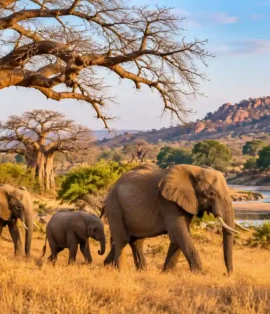
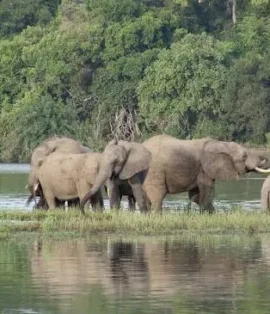
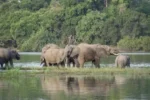
- Elephants: Watch these large animals move across the plains.
- Giraffes: You may see them feeding on trees.
- Cheetahs: These fast cats often hunt in open areas.
- Hippos: Look for them in rivers and pools.
- Birds: The reserve has many colorful birds.
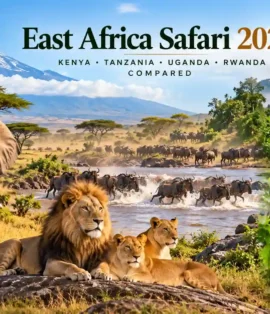
The Great Wildebeest Migration
The Great Migration is another famous wildlife event.
During parts of the year, large herds move between Tanzania and Kenya.
For example, wildebeests and zebras may gather near the Mara River. However, river crossings cannot be promised.
As a result, visitors should plan for a full wildlife experience rather than one specific sighting.
To learn more, read our Great Wildebeest Migration guide.

At Hideaway Safaris, we help guests find accommodations that balance comfort, budget, and proximity to the best game-viewing areas.
🍽️ Meals at Safari Camps and Lodges
Dining in Maasai Mara is a treat for your taste buds. Most lodges serve a mix of international cuisine and local Kenyan dishes — think nyama choma (grilled meat), ugali, vegetable stews, and fresh tropical fruits.

Luxury camps often include three-course meals, bush breakfasts, and sundowner cocktails — served right in the heart of the savannah.
Vegetarian and vegan options are widely available, and chefs are usually happy to accommodate dietary preferences with advance notice.
🦁 Wildlife You Can See in Maasai Mara
The Maasai Mara is one of the richest ecosystems in Africa. Here’s what you can expect:
- The Big Five: Lions, elephants, leopards, buffalo, and rhinos.
- Cheetahs: Known for their speed and often spotted on the open plains.
- Hippos & Crocodiles: Thriving in the Mara River.
- Over 450 bird species: From colorful lilac-breasted rollers to majestic eagles.

And of course, the Great Wildebeest Migration — a breathtaking event when over 1.5 million wildebeests and zebras cross from Tanzania’s Serengeti into Kenya’s Maasai Mara between July and October.
Learn more about this natural wonder on the BBC Earth page.
🌍 Why This Safari Is Worth Taking
Beyond the wildlife, the Maasai Mara offers a deep connection with nature and culture. Whether it’s watching the sunrise from a hot air balloon, visiting a Maasai village, or sitting around a campfire under a sky full of stars — the Mara speaks to your soul.
Plan Your Maasai Mara Safari with Hideaway Safaris

Your Maasai Mara journey deserves expert planning. At Hideaway Safaris, we craft personalized safari experiences that capture the heart of Kenya’s wild beauty — from seamless transfers to handpicked lodges and guided game drives.
👉 Start planning today at HideawaySafaris.com and let the Maasai Mara adventure begin.