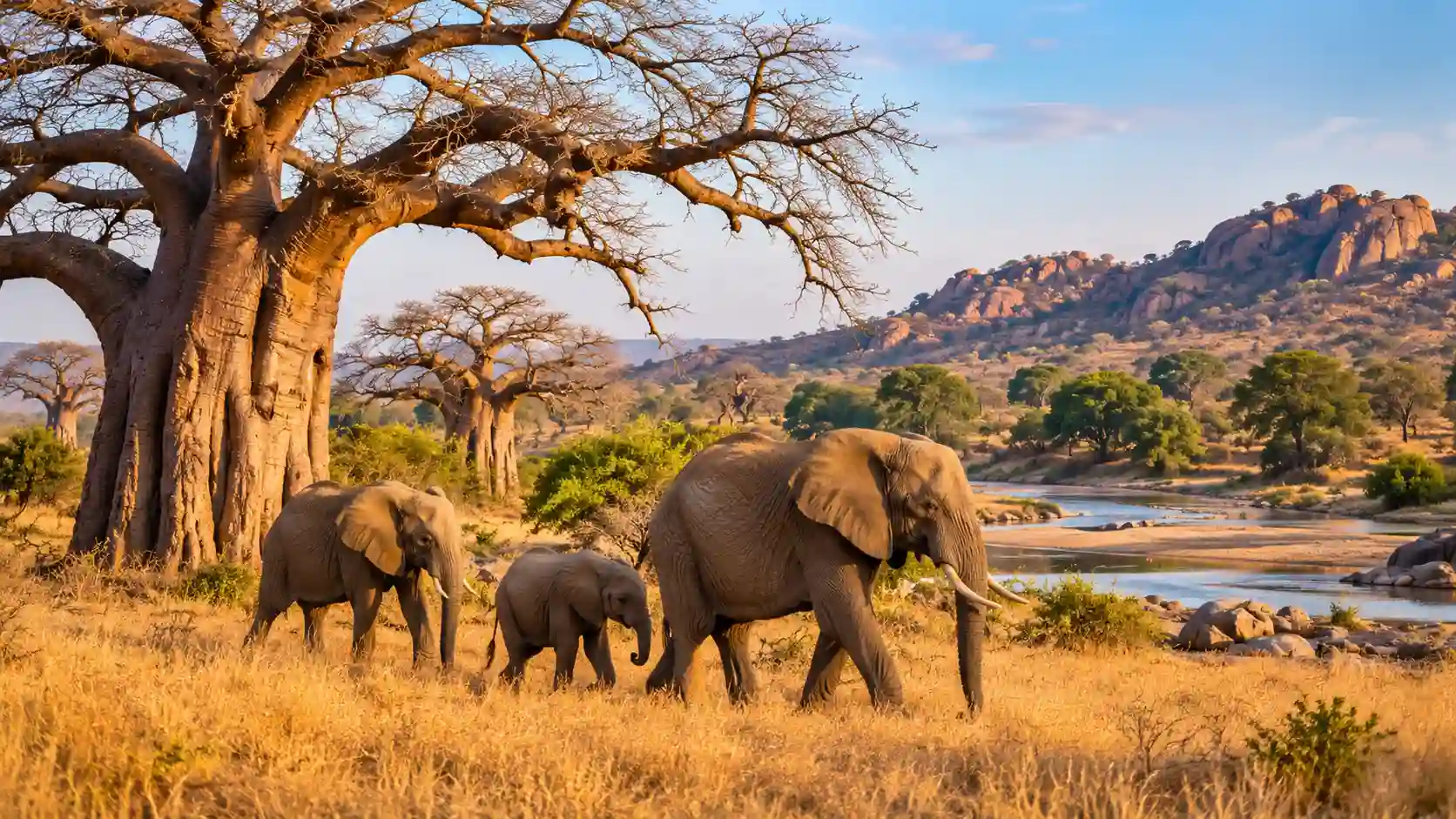
Ruaha National Park Tanzania is one of East Africa’s most beautiful safari destinations. It is famous for its large elephant herds, majestic lions, ancient baobab trees, and breathtaking landscapes.
Imagine exploring a peaceful African wilderness where elephants gather near seasonal rivers and lions roam across golden savannahs. Here, you can enjoy amazing wildlife encounters away from crowded tourist routes.
Located in south-central Tanzania, Ruaha is the country’s second-largest national park. It covers approximately 20,226 square kilometres and forms part of the famous Southern Safari Circuit.
Unlike the busy Serengeti and Ngorongoro Crater, Ruaha offers a quieter safari experience. Visitors can explore vast landscapes, watch wildlife, and enjoy the beauty of nature.
The Great Ruaha River is one of the park’s main attractions. It provides important water sources for animals, especially during the dry season.
Whether you love wildlife, photography, or adventure, Ruaha offers an unforgettable African safari.
In this 2027 Ruaha safari guide, discover the best time to visit, wildlife, safari activities, accommodation, costs, and travel tips.
Why Visit Ruaha National Park Tanzania in 2027?
Ruaha is one of Tanzania’s most beautiful wildlife parks. Its remote location makes it perfect for travellers seeking a peaceful safari.
The park has vast grasslands, rocky hills, river valleys, and woodlands. These different habitats support many types of animals and plants.
Ruaha also lies where eastern and southern African habitats meet. This gives the park a special mix of wildlife.
Here are some of the main reasons to visit.
The Famous Great Ruaha River

The Great Ruaha River is one of the park’s most important natural features.
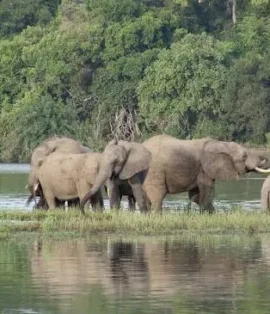
It provides water for elephants, buffaloes, antelopes, and many other animals. During the dry season, wildlife often gathers near the remaining water.
Lions and other predators may also visit these areas in search of prey.
The river has rocky banks, pools, and green vegetation. These features create excellent places for watching animals and taking photographs.
However, water levels change with the seasons. Some sections of the river may become dry during certain months.
Ancient Baobab Trees and Beautiful Landscapes
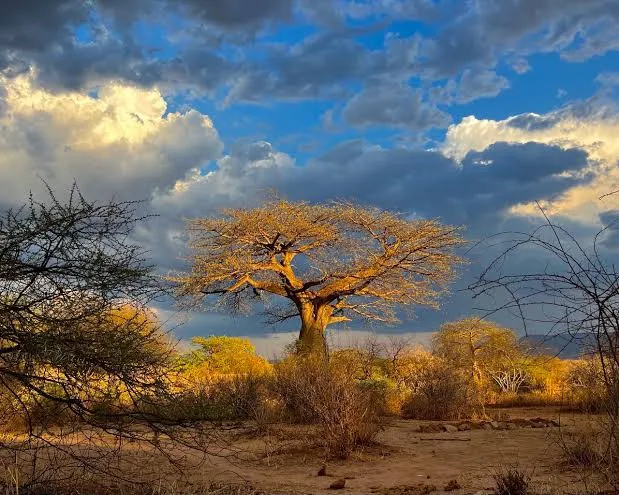
These ancient trees have thick trunks and wide branches. They create beautiful views across the savannah.
The park also has open plains, rocky hills, and woodlands. Some areas contain miombo trees, which are common in parts of southern Africa.
Each habitat offers a different safari experience.
Photographers especially enjoy the contrast between the golden grass, baobab trees, and wild animals.
A Peaceful and Uncrowded Safari Experience
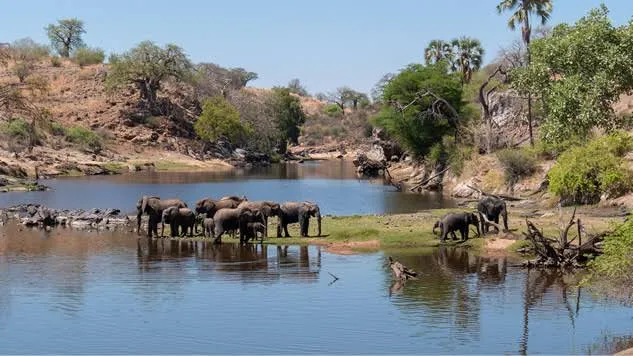
Ruaha receives fewer visitors than Tanzania’s most popular safari parks.
As a result, you may spend long periods exploring without meeting many other safari vehicles.
This gives you more time to watch animals and enjoy the sounds of nature.
You can listen to birds, observe elephant families, and enjoy the wide African landscape.
For travellers seeking a quiet and authentic safari, Ruaha is an excellent choice.
Wildlife in Ruaha National Park Tanzania
Ruaha is home to a wide range of African wildlife.
Its grasslands, woodlands, and river valleys provide homes for large mammals, birds, reptiles, and predators.
A safari in Ruaha National Park Tanzania offers many chances to see these animals in the wild.
However, sightings depend on the season, weather, and animal movements.
Lions: Ruaha's Famous Big Cats
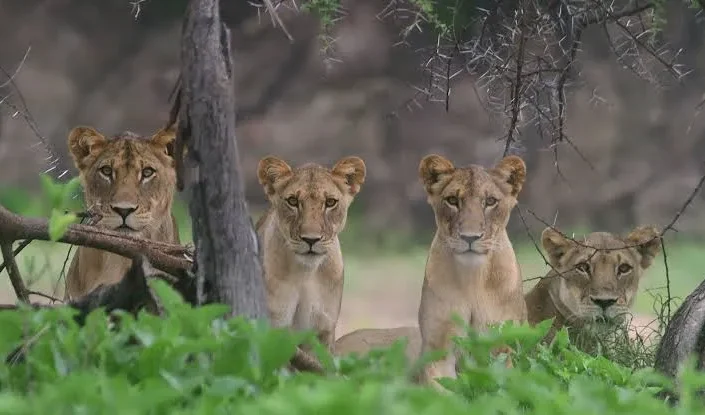
Lions are among the most exciting animals to see in Ruaha.
The park is known for its important lion populations and impressive prides.
You may see lions resting under trees or walking through the grasslands. Sometimes, they can be seen watching prey near water sources.
Early morning and late afternoon game drives often provide good chances to see these predators.
The cooler weather encourages many animals to become more active.
If you love big cats, Ruaha deserves a place on your Tanzania safari itinerary.
African Elephants
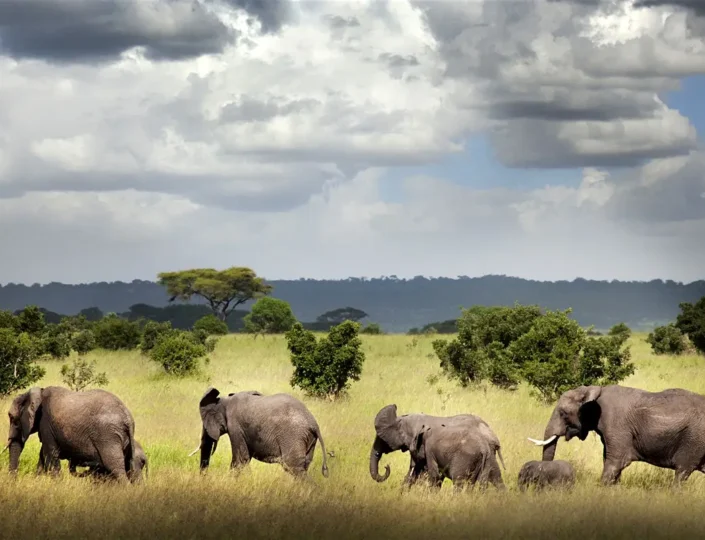
Elephants are another major attraction in Ruaha National Park.
These large animals move through the savannah, woodlands, and river valleys.
During the dry season, elephants may gather near rivers and other water sources.
Visitors often see family groups feeding beneath trees or walking across open landscapes.
Watching elephants move past ancient baobab trees is a memorable safari experience.
Their movements change with the seasons. A skilled local guide can help you explore areas where elephants are often seen.
Leopards and Cheetahs
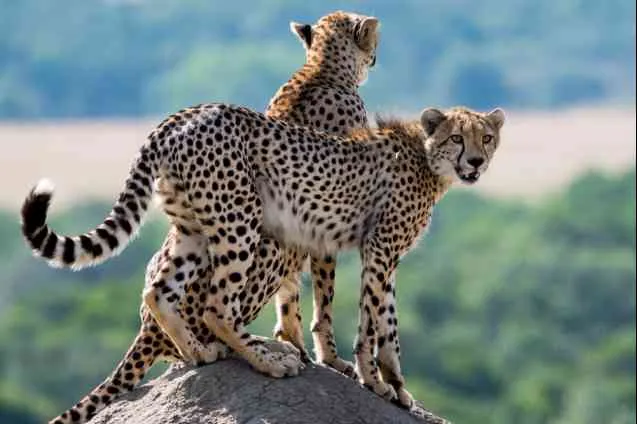
Ruaha is also home to leopards and cheetahs.
However, these animals are harder to find than elephants or giraffes.
Leopards often hide in trees, rocky areas, and thick woodland. Their spotted coats help them blend into their surroundings.
Cheetahs prefer more open areas where they can watch for prey.
Seeing either animal can be a special moment during your safari.
Spending several days in the park may improve your chances of spotting these predators.
African Wild Dogs and Other Predators
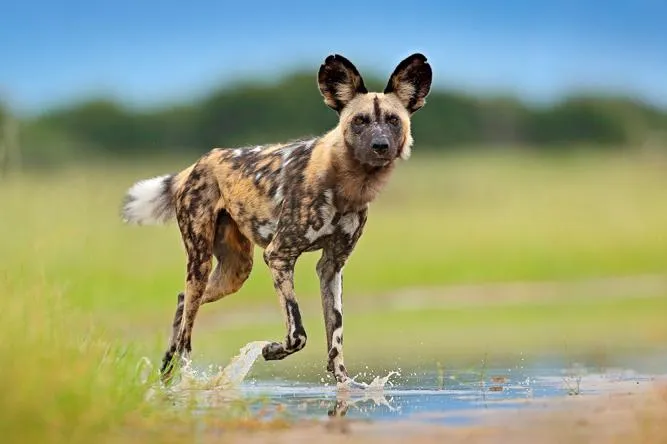
African wild dogs are among Ruaha’s rare and exciting wildlife attractions.
They live in social groups called packs. These animals work together when hunting and may travel long distances.
Wild dogs can be difficult to spot because they move across large areas.
Ruaha also supports spotted hyenas and other smaller predators.
Although sightings are never guaranteed, every game drive offers a chance to discover something new.
Birdwatching in Ruaha National Park
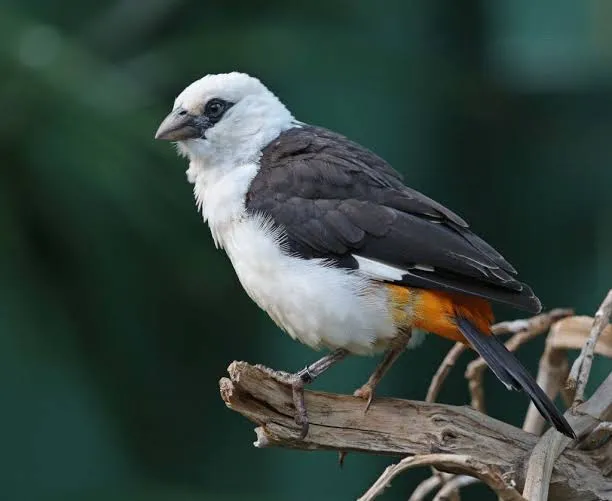
Ruaha is also a wonderful destination for bird lovers.
More than 570 bird species have been recorded in the park.
These include hornbills, kingfishers, bee-eaters, eagles, and many other birds.
You can find birds near rivers, in woodlands, and across the open plains.
Birdwatching is rewarding throughout the year. However, the species you see may change with the seasons.
The wetter months can be especially attractive for birdwatching and nature photography.
Best Things to Do in Ruaha National Park Tanzania
There is more to Ruaha than watching animals from a safari vehicle.
Visitors can enjoy several activities that reveal the beauty of the park.
Here are some of the best experiences to consider.
Guided Game Drives
Game drives are the most popular activity in Ruaha National Park.
Visitors travel through the park in safari vehicles with experienced guides.
During the drive, you may see lions, elephants, giraffes, buffaloes, and many other animals.
Morning game drives are popular because the weather is cooler. Many animals are also more active during these hours.
Afternoon drives offer different wildlife sightings and beautiful light for photography.
A full-day game drive allows you to explore more of the park. You can visit river areas, woodlands, and open plains.
Guided Walking Safaris
Walking safaris provide a different way to experience the African wilderness.
Instead of viewing everything from a vehicle, you explore authorised areas on foot.
An experienced guide can help you identify animal tracks, plants, and bird calls.
You can also learn how different animals interact with their environment.
Walking safaris must follow the park’s safety rules. They should only take place with authorised guides.
Before booking, confirm the activity’s availability, age requirements, and safety arrangements.
Wildlife Photography
Ruaha National Park Tanzania offers beautiful settings for wildlife photography.
Its ancient baobab trees, open grasslands, and rocky landscapes create striking views.
You may photograph elephants walking through the savannah or lions resting under trees.
Early mornings and late afternoons often provide the best natural light.
A longer safari gives you more time to watch animals and capture special moments.
Birdwatching Adventures
Birdwatching is another enjoyable activity in Ruaha.
Different parts of the park attract different bird species.
You can explore areas near rivers, open grasslands, and woodlands.
Bring binoculars and a bird guide to make your experience more rewarding.
Stargazing and Wilderness Experiences
Ruaha’s remote location makes it a wonderful place to enjoy nature.
On clear nights, visitors may see beautiful star-filled skies.
Guests staying at suitable safari camps can also enjoy the sounds of the wilderness after sunset.
Always follow your camp’s safety instructions when spending time outdoors at night.
Best Time to Visit Ruaha National Park Tanzania in 2027
Ruaha can be visited throughout the year.
However, weather conditions and wildlife movements change from one season to another.
The best time to visit depends on what you want to experience.
June to October: Best for Wildlife Safaris
The dry season usually runs from June to October.
During this period, rainfall is limited and vegetation becomes thinner.
Animals often gather near rivers and other remaining water sources.
This can make it easier to find elephants, lions, buffaloes, and other large mammals.
June to October is a popular period for traditional wildlife safaris.
However, September and October can become very hot and dry.
November to May: The Green Season
Ruaha’s wetter season generally runs from November to May.
Rainfall brings fresh grass and green vegetation to the park.
The landscape becomes beautiful, making this a rewarding season for photography.
Birdwatching can also be excellent during the wetter months.
However, animals may spread across larger areas because water becomes more available.
This can make some wildlife harder to locate.
March to May: Important Travel Considerations
Some of the wetter months can bring heavy rainfall.
Rain may affect road conditions and make certain tracks difficult to use.
Some safari camps may also close or reduce their services during this period.
Before travelling, confirm your accommodation, transport, and planned activities.
Safari tip: Visit between June and October for a classic wildlife safari. Choose the greener months if you enjoy lush landscapes and birdwatching.
These are typical seasonal patterns. Actual weather conditions in 2027 may vary.
How to Get to Ruaha National Park Tanzania

Ruaha lies in south-central Tanzania.
You can reach the park by road or air, depending on your travel plans.
Getting to Ruaha by Road
Many visitors travel to Ruaha from Iringa town.
The drive often takes about two to three and a half hours.
Travel time depends on road conditions and the entrance you use.
A four-wheel-drive vehicle is recommended, especially during the rainy season.
Travelling by road also allows you to enjoy views of the surrounding countryside.
Getting to Ruaha by Air
Visitors can also reach Ruaha by safari flights.
Scheduled and charter flights may serve Msembe and Jongomero airstrips.
Air connections may be available from Dar es Salaam and other safari departure points.
Flight routes and schedules depend on the operator.
Confirm your flight arrangements and lodge transfers before your trip.
Where to Stay in Ruaha National Park Tanzania
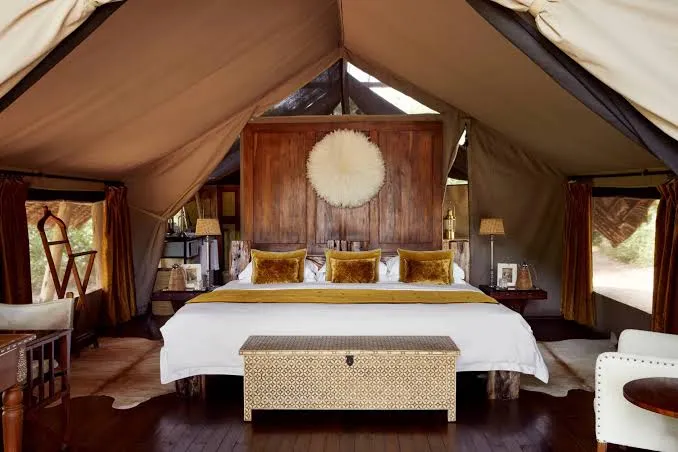
Ruaha offers different types of safari accommodation.
You can choose from luxury tented camps, mid-range camps, and simpler camping facilities.
Your choice will depend on your budget, comfort needs, and travel style.
Luxury Safari Camps
Luxury tented camps offer comfortable stays in beautiful natural settings.
Some camps are located near rivers or in remote parts of the wilderness.
Guests may enjoy comfortable rooms, meals, and guided safari activities.
These camps suit travellers looking for comfort while staying close to nature.
Mid-Range Safari Camps
Mid-range camps offer a balance between comfort and cost.
Many provide a traditional safari atmosphere with practical facilities.
Services and accommodation styles vary between properties.
Always check what your booking includes before choosing a camp.
Public Campsites and Park Bandas
Visitors seeking simpler accommodation may consider campsites or park bandas.
These options may suit travellers who prefer a basic outdoor experience.
However, availability and facilities can vary.
Camping in wildlife areas also requires careful attention to park safety rules.
Ruaha National Park Tanzania Safari Costs
The cost of a Ruaha safari depends on your travel plans.
There is no single price that applies to every visitor.
Several factors affect the total cost.
These include:
- Park entry and conservation fees
- Number of safari days
- Accommodation type
- Road transfers or domestic flights
- Safari vehicle and guide
- Meals and drinks
- Additional safari activities
- Number of people sharing the trip
Luxury camps and private safari arrangements may cost more than simpler options.
Flights can also increase the total cost compared with some road-based trips.
Tanzania National Parks publishes official park fees. However, visitors should confirm the applicable charges for 2027 before booking.
Extra fees may apply for vehicles, camping, concessions, or special activities.
For accurate pricing, request a safari quotation based on your travel dates and preferences.
At Hideaway Safaris & Expeditions, we help travellers explore suitable safari options for their needs.
Plan Your Ruaha National Park Tanzania Safari
A well-planned safari gives you more time to enjoy Ruaha’s wildlife and scenery.
For many visitors, three or four days provide a good starting point.
Here are two sample itineraries to help you plan your adventure.
Suggested 3-Day Ruaha National Park Safari
Day 1: Arrival and Afternoon Game Drive
Travel to Ruaha National Park by road or air.
After arrival, check into your safari camp and prepare for your first wildlife adventure.
If your schedule allows, enjoy an afternoon game drive.
Look for elephants, giraffes, antelopes, and other animals while exploring the park.
Return to your accommodation for dinner and rest.
Day 2: Full-Day Wildlife Safari
Start your day with an early morning game drive.
Explore the park’s river valleys, woodlands, and open grasslands.
Your guide will help you search for lions, leopards, elephants, buffaloes, and other wildlife.
Enjoy a planned lunch or rest break during the day.
Continue exploring in the afternoon before returning to your camp.
Day 3: Morning Game Drive and Departure
Enjoy a final morning game drive if your departure schedule allows.
This is another chance to spot animals you may have missed.
After breakfast or your planned activity, prepare for your transfer.
Leave Ruaha with wonderful memories of your Tanzania safari.
4-Day Ruaha Safari for Wildlife Lovers
A four-day safari gives you more time to explore the park.
You can enjoy additional game drives and visit different wildlife areas.
The extra day may also allow time for birdwatching or photography.
An authorised walking safari may be possible, depending on availability.
This option is ideal for travellers who prefer a relaxed safari.
It also gives photographers more time to observe wildlife.
Ruaha National Park Tanzania: FAQs
Is Ruaha National Park Tanzania Worth Visiting?
Yes. Ruaha is an excellent destination for travellers who love wildlife and nature.
The park offers beautiful scenery, elephants, lions, and peaceful safari experiences.
It is especially attractive to visitors who prefer quieter destinations.
How Many Days Do You Need in Ruaha National Park?
Three to four days is a good starting point.
This gives you time for several game drives and different wildlife experiences.
A longer stay may improve your chances of spotting rare animals.
Can You See the Big Five in Ruaha National Park?
Ruaha is known for lions, leopards, elephants, and buffaloes.
However, the park is not a reliable destination for seeing all five members of the Big Five.
Visitors who especially want to see rhinos should consider other suitable parks.
Is Ruaha Better Than the Serengeti?
Both parks offer wonderful safari experiences.
The Serengeti is famous for its vast plains and the Great Migration.
Ruaha is known for its baobab trees, quiet wilderness, and rich wildlife.
Your choice depends on the type of safari you prefer.
Is Ruaha Good for First-Time Safari Travellers?
Yes. Ruaha can be an excellent destination for a first African safari.
Good planning is important because the park is relatively remote.
An organised safari can make transport, accommodation, and game drives easier.
What Is Ruaha National Park Famous For?
Ruaha is famous for its elephants, lions, ancient baobab trees, and the Great Ruaha River.
The park also supports many bird species and a wide range of antelopes.
Its quiet atmosphere makes it special for wildlife lovers.
Discover Ruaha National Park with Hideaway Safaris & Expeditions

Ruaha National Park Tanzania offers an unforgettable African safari experience.
You can watch elephants walking beneath ancient baobab trees. You can search for lions across the savannah. You can also explore the beautiful Great Ruaha River.
The park combines rich wildlife, peaceful landscapes, and exciting safari adventures.
At Hideaway Safaris & Expeditions, we help travellers plan personalised East African safaris.
We consider your travel dates, preferred destinations, accommodation needs, and safari interests.
Whether you want a short wildlife trip or a longer Tanzania adventure, we can help you explore your options.
You can also discover more Tanzania safari destinations, including the country’s famous Northern Safari Circuit.