East Africa Safari 2026: Kenya, Tanzania, Uganda & Rwanda
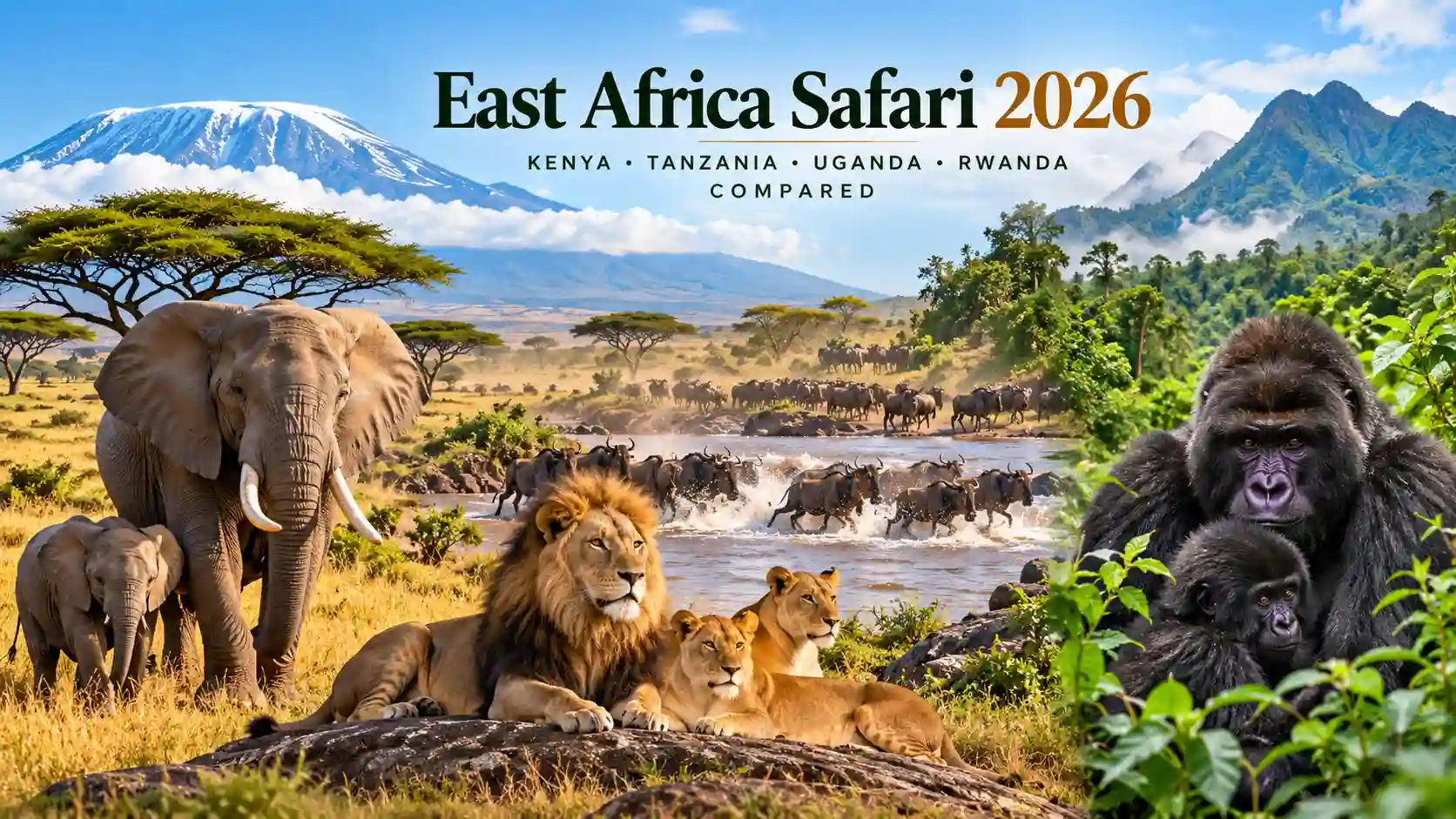
Did you know that one East Africa safari can take you from the open savannahs of Kenya and Tanzania to the misty mountain forests of Uganda and Rwanda?
Few regions offer such a wide range of wildlife experiences within one journey. In Kenya and Tanzania, travellers can spend their days searching for lions, elephants, leopards, cheetahs, buffaloes, giraffes and other wildlife from a safari vehicle. In Uganda and Rwanda, the experience changes completely as travellers enter forest environments on foot with experienced guides and trackers.
This variety makes an East Africa safari especially rewarding for travellers who want more than one type of adventure. A single itinerary can combine Big Five game drives, the Great Migration, mountain gorilla trekking, chimpanzee experiences, private conservancies, cultural encounters and Indian Ocean beaches.
Choosing the right country can still feel difficult. Kenya, Tanzania, Uganda and Rwanda each offer a different style of travel, and the best choice depends on your interests, travel time and budget. This 2026 guide compares the four destinations and explains where to go, how long to stay, when to travel, what a safari may cost and how to combine several countries without rushing.
Why Choose an East Africa Safari?
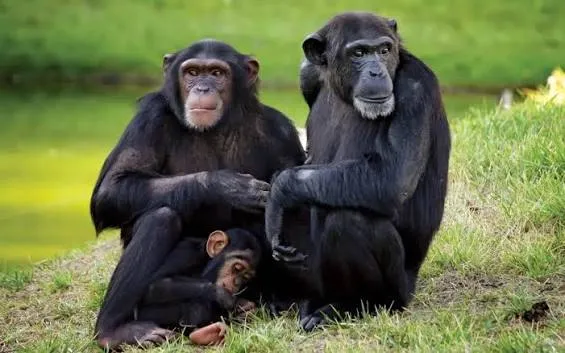

An East Africa safari gives travellers access to several of Africa’s most famous wildlife regions. Instead of repeating the same type of game drive each day, you can move between open plains, volcanic landscapes, lakes, dry northern habitats and tropical mountain forests.
Kenya and Tanzania suit travellers who want classic safari scenery and extensive game viewing. Uganda and Rwanda add forest trekking and primate encounters. Together, these countries create one of the most varied wildlife circuits on the continent.
- Big Five game drives in Kenya and Tanzania
- Great Migration experiences in the Serengeti-Mara ecosystem
- Mountain gorilla trekking in Uganda or Rwanda
- Chimpanzee trekking and forest walks
- Private conservancy and low-density safari experiences
- Birdwatching, photography and cultural activities
- Luxury, mid-range and personalised accommodation
- Safari-and-beach combinations in Kenya or Tanzania
East Africa Safari in Kenya: Classic Wildlife, Culture & Variety
Kenya is one of Africa’s most established safari destinations and a strong starting point for first-time visitors. The country combines savannahs, lakes, mountain scenery, semi-arid northern landscapes, private conservancies and an Indian Ocean coastline.
A well-planned Kenya safari can include several contrasting environments without requiring a multi-country itinerary. Travellers can focus on the Maasai Mara and Amboseli for a shorter trip or add Laikipia, Samburu, Lake Nakuru or the coast when more time is available.
Maasai Mara
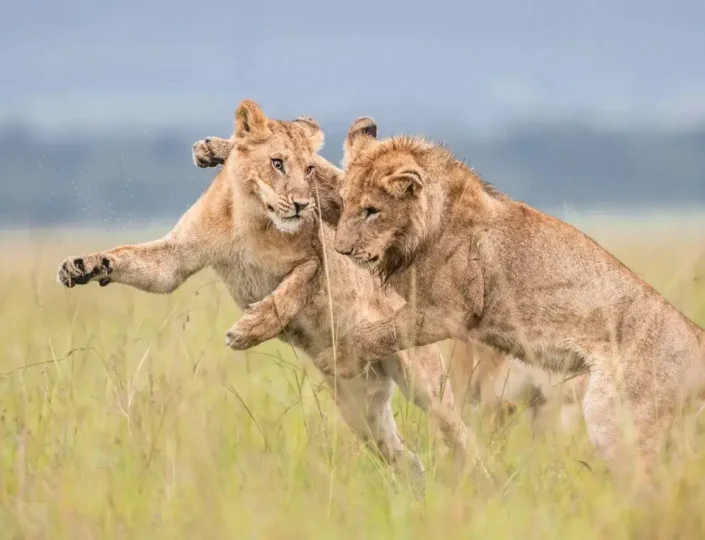
The Maasai Mara remains one of Kenya’s best-known wildlife destinations. Its grasslands support lions, elephants, buffaloes, giraffes, cheetahs, hyenas, zebras and many antelope species. Leopards also live within the wider ecosystem, although their secretive behaviour can make sightings less predictable.
During parts of the year, large wildebeest and zebra herds may enter the greater Maasai Mara ecosystem as part of the Great Migration. Rainfall, grazing conditions and other natural factors influence the timing and location of the herds, so no operator should promise a specific river crossing or wildlife event.
Spending several nights in the Mara gives travellers more time to explore different areas and improves the overall safari experience compared with relying on one short game drive.
Amboseli National Park
Amboseli is famous for elephants and views toward Mount Kilimanjaro when the weather is clear. Its open landscapes can make wildlife easier to observe, and the park works particularly well in itineraries that begin or end in Nairobi.
- Elephants
- Lions
- Giraffes
- Buffaloes
- Zebras
- Antelopes
- Hyenas
- Numerous bird species
Laikipia
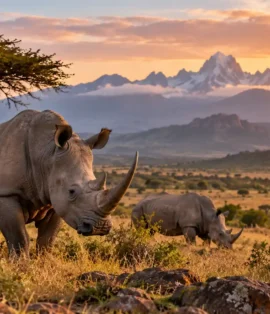
Laikipia provides a different safari style from Kenya’s larger national reserves. Several conservancies in the region focus on conservation, lower visitor density and personalised experiences. Wildlife may include black and white rhinos, elephants, lions, leopards, African wild dogs, Grevy’s zebras and reticulated giraffes.
Depending on the property, travellers may also enjoy guided walks, night drives, conservation visits and other activities that are not always available in traditional national parks.
Samburu
Samburu suits travellers who want to explore beyond Kenya’s southern safari circuit. Its dry landscapes support northern species such as Grevy’s zebra, reticulated giraffe, gerenuk and Somali ostrich. The region can be especially rewarding for photographers and repeat safari travellers.
Where to Stay During a Kenya East Africa Safari
Kenya offers everything from comfortable lodges to small tented camps and high-end conservancy properties. When choosing accommodation, consider location, game-drive access, transfer time, included activities and the level of privacy you prefer. A lodge that sits close to your main wildlife area can save valuable time each day.
East Africa Safari in Tanzania: Serengeti, Ngorongoro & Tarangire


Tanzania is an excellent choice for travellers whose main priority is classic African wildlife and large wilderness areas. The Northern Circuit links several famous destinations, which makes it possible to build a strong safari without changing countries.
Serengeti National Park
The Serengeti is one of Africa’s most celebrated wildlife ecosystems. Its plains and varied habitats support lions, leopards, cheetahs, elephants, giraffes, buffaloes, hyenas and huge numbers of grazing animals.
The Serengeti also plays a central role in the Great Migration. The herds move naturally according to rainfall and grazing conditions, so travellers should plan around their travel month rather than assuming the animals remain in one area throughout the year.
Ngorongoro Crater
Ngorongoro offers a very different safari environment. Travellers descend into the crater for game viewing across grasslands, wetlands and other habitats. The concentration of wildlife can make the crater particularly useful for travellers with limited time, and most Northern Circuit itineraries combine it with the Serengeti.
Tarangire National Park
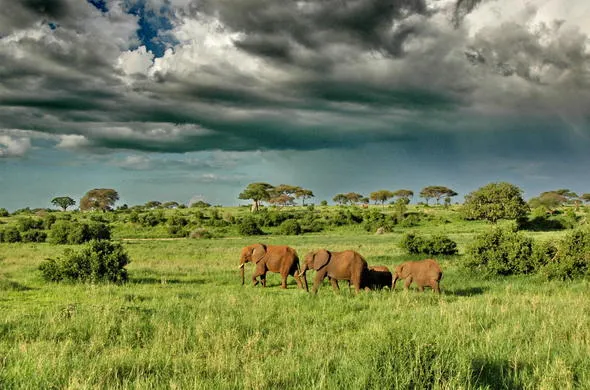
Tarangire is well known for elephants, baobab trees and seasonal wildlife concentrations. During drier periods, animals often gather around reliable water sources, which can create rewarding game-viewing opportunities.
- Elephants
- Lions
- Giraffes
- Zebras
- Buffaloes
- Antelopes
- Rich birdlife
Where to Stay During a Tanzania East Africa Safari
The Serengeti offers permanent lodges, tented camps and mobile camps. Mobile camps can work well for travellers who want to stay closer to different migration areas at certain times of year. Near Ngorongoro, travellers often stay around the crater rim or in the Karatu area. Tarangire also offers lodges and camps inside and outside the park.
Kenya vs Tanzania: Which East Africa Safari Is Better?
Kenya and Tanzania both deliver outstanding wildlife experiences, so the better choice depends on what you want from the journey.
Choose Kenya if you want:
- Maasai Mara game drives
- Amboseli elephants and Kilimanjaro scenery
- Private conservancy experiences
- Laikipia and Samburu
- Strong safari-and-beach combinations
- A flexible first-time safari itinerary
Choose Tanzania if you want:
- Longer Serengeti wildlife viewing
- Ngorongoro Crater
- Tarangire
- A classic Northern Circuit route
- Great Migration-focused planning
- A Zanzibar beach extension
Travellers with enough time do not need to choose only one. A Kenya and Tanzania safari can combine the Maasai Mara, Serengeti, Ngorongoro and other destinations in one carefully paced itinerary.
East Africa Safari in Uganda: Gorillas, Chimpanzees & Wildlife
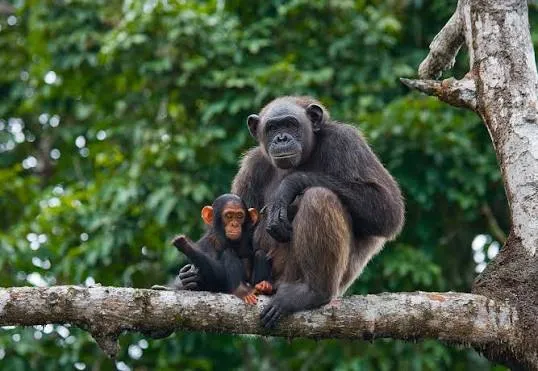
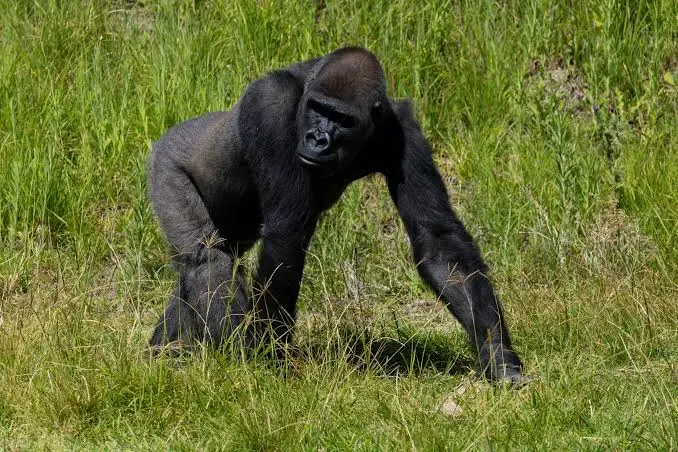
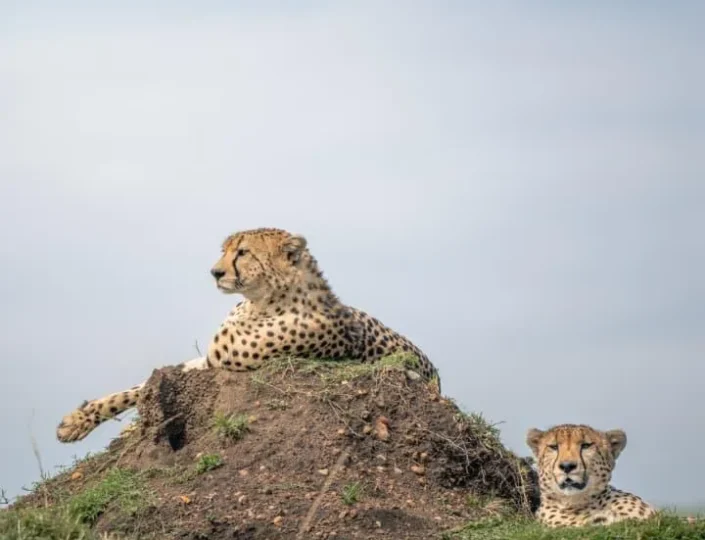
Uganda adds a completely different dimension to an East Africa safari. The country combines forest trekking with traditional wildlife areas, making it ideal for travellers who want both primates and game drives.
Bwindi Impenetrable National Park
Bwindi is Uganda’s best-known gorilla trekking destination. Travellers enter dense mountain forest with experienced guides and trackers in search of a habituated gorilla family.
The trek can involve steep slopes, mud, uneven ground, dense vegetation and changing weather. Because the gorillas move naturally through the forest, the walking time can vary considerably from one trek to another.
Gorilla trekking therefore feels very different from a vehicle-based safari. Travellers should prepare physically, wear suitable footwear and follow all instructions from the park guides.
Mgahinga Gorilla National Park
Mgahinga offers another gorilla trekking option in Uganda’s Virunga region. The park is smaller than Bwindi and adds dramatic volcanic scenery. Travellers may also consider other activities in the wider area when time allows.
Queen Elizabeth National Park
Travellers who want traditional game viewing can include Queen Elizabeth National Park. The park adds savannah landscapes, wetlands and boat-based wildlife viewing to an itinerary that may otherwise focus heavily on forests.
Chimpanzee Trekking
Travellers with additional time can extend the journey to include chimpanzee trekking, with Kibale among Uganda’s best-known primate destinations. This creates a highly varied itinerary that combines savannah wildlife, mountain gorillas and chimpanzees.
East Africa Safari in Rwanda: Gorillas, Luxury & Easy Connections
Rwanda is another strong choice for mountain gorilla trekking. Its compact size can suit travellers who want a shorter itinerary or a premium safari with relatively straightforward road connections.
Volcanoes National Park
Volcanoes National Park lies within the Virunga mountain region and provides Rwanda’s best-known gorilla trekking experience. Travellers hike through forest and mountain terrain with guides and trackers in search of habituated gorilla families.
Akagera National Park
Akagera allows travellers to combine gorilla trekking with a more traditional safari. Its landscapes include savannah, lakes and wetlands, so a Rwanda itinerary can include both forest and open-country wildlife experiences.
Nyungwe Forest
Nyungwe adds another forest environment to longer Rwanda journeys. Travellers interested in primates, forest walks and birdlife can use it to create a broader itinerary beyond the gorilla experience.
Uganda vs Rwanda for an East Africa Safari With Gorillas
Both countries can deliver memorable gorilla trekking experiences, but they suit different travel styles.
Uganda may suit travellers who want:
- A longer, more varied journey
- Bwindi or Mgahinga gorilla trekking
- Chimpanzee trekking
- Traditional safari parks
- Several contrasting ecosystems
Rwanda may suit travellers who want:
- A shorter itinerary
- Convenient connections from Kigali
- Premium accommodation
- Volcanoes National Park
- Gorilla trekking combined with Akagera
The final decision should consider travel time, budget, permit availability, accommodation preferences, physical ability and the other destinations you want to include.
Best East Africa Safari for First-Time Visitors
Kenya and Tanzania usually provide the easiest starting point for a first safari because both countries have established routes, a wide range of accommodation and excellent wildlife viewing.
A first-time visitor with about seven days can focus on two or three major destinations instead of trying to cover the entire region. For example, Kenya can combine Amboseli and the Maasai Mara, while Tanzania can combine Tarangire, Serengeti and Ngorongoro.
Travellers with ten days or more can start considering a second country, especially when the second experience adds something different, such as gorilla trekking.
How Many Days Do You Need for an East Africa Safari?
5-7 Days
This duration works best when you concentrate on one country or a small number of destinations. Possible routes include Amboseli plus Maasai Mara, Tarangire plus Serengeti and Ngorongoro, or a short gorilla-focused journey in Uganda or Rwanda.
7-10 Days
Seven to ten days allows a more relaxed single-country safari or a carefully planned two-country trip. Avoid adding too many long transfers, because excessive movement reduces the time available for wildlife experiences.
10-14 Days
This duration works particularly well for Kenya plus Tanzania, Kenya plus Uganda, Kenya plus Rwanda or Tanzania plus Zanzibar.
14 Days or More
Two weeks or more gives travellers enough time to combine savannah safaris, gorilla trekking and a beach extension without changing accommodation every day.
Sample 10-Day East Africa Safari: Kenya & Tanzania
Day 1: Arrival in Nairobi
Arrive in Nairobi and transfer to your hotel. Use the remainder of the day to rest after your international journey.
Day 2: Nairobi to Maasai Mara
Travel to the Maasai Mara by road or scheduled flight. Enjoy an afternoon game drive when timing allows.
Day 3: Maasai Mara Safari
Spend the day exploring different habitats while searching for big cats, elephants, giraffes, buffaloes and plains wildlife.
Day 4: Maasai Mara Safari
Enjoy another full day of wildlife viewing and photography. A second full day gives you more time to explore without rushing.
Day 5: Continue Toward Tanzania
Travel according to the chosen route and connection plan. Border or flight arrangements should allow enough time for delays and formalities.
Days 6-7: Serengeti
Explore the Serengeti on game drives. The daily plan can focus on wildlife concentrations and the areas that best suit the season.
Day 8: Ngorongoro Area
Continue toward Ngorongoro and settle into your accommodation.
Day 9: Ngorongoro Crater
Descend into the crater for wildlife viewing, then continue according to the final route.
Day 10: Arusha
Travel to Arusha for departure or continue to Zanzibar for a beach extension.
Hideaway Safaris can shorten, extend or customise this itinerary according to available time, accommodation preferences, flight schedules and budget.
Best Time for an East Africa Safari
June to October
These months are popular for wildlife safaris because many areas experience drier conditions. Wildlife often gathers around reliable water sources, and vegetation can become less dense. Parts of this period also attract travellers interested in Great Migration experiences in the Serengeti-Mara ecosystem.
January to March
These months can provide excellent safari conditions in many destinations. Parts of Tanzania also attract interest because of migration and calving activity during this broad period.
April and May
Rainfall often increases during these months. Green landscapes, fewer visitors and attractive seasonal rates can appeal to some travellers, although rain may affect roads and forest trails.
November and December
Shorter rains may occur in parts of the region, but safari travel remains possible. Choose dates according to the specific destinations and activities you value rather than expecting identical weather across East Africa.
How Much Does an East Africa Safari Cost in 2026?
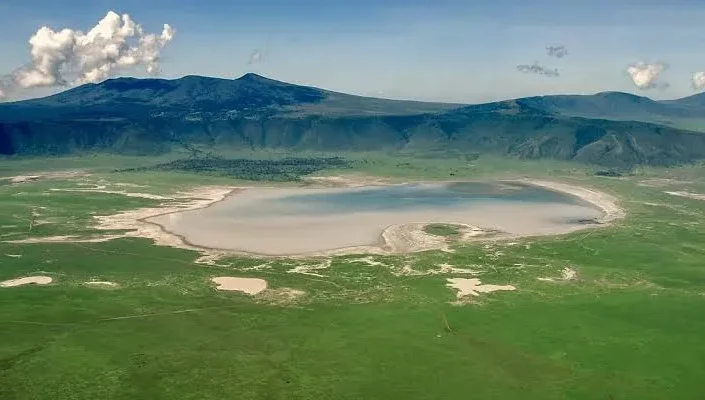
There is no single price for an East Africa safari. The final cost depends on the number of travel days, countries visited, accommodation level, season, transport style, park fees, activities and number of travellers.
- Length of the itinerary
- Countries and parks included
- Low, shoulder or peak travel season
- Mid-range, luxury or high-end accommodation
- Private or shared safari vehicle
- Road transfers versus domestic flights
- Regional flights between countries
- Gorilla permits and other specialist activities
- Number of travellers sharing the trip
A short Kenya safari using comfortable mid-range accommodation will cost very differently from a two-week luxury journey that combines Kenya, Tanzania and gorilla trekking. For this reason, compare the full inclusions instead of choosing a safari only because it has the lowest advertised price.
East Africa Safari and Beach Holiday

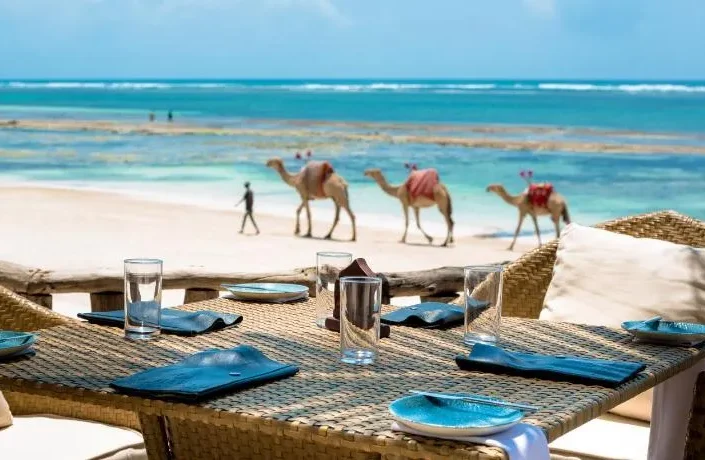

A safari and beach combination allows travellers to finish an active wildlife itinerary with several slower days on the Indian Ocean coast.
Maasai Mara + Diani Beach
This route combines Kenya’s famous wildlife with a beach stay on the south coast. It works well for honeymooners, couples and travellers who want to remain within Kenya.
Serengeti + Zanzibar
Travellers can explore Tanzania’s Northern Circuit before flying to Zanzibar for a beach extension. This combination keeps the safari and beach sections within the same country.
Kenya + Uganda Gorillas + Diani
A longer itinerary can combine savannah wildlife, mountain gorillas and the Indian Ocean. Careful flight planning is essential because the route involves several airports and two countries.
Frequently Asked Questions About an East Africa Safari
Which country is best for an East Africa safari?
Kenya and Tanzania are excellent for classic wildlife safaris. Uganda and Rwanda are especially strong for gorilla trekking and primate-focused journeys. The best choice depends on the experience you value most.
Can I visit Kenya and Tanzania on the same safari?
Yes. A combined itinerary can link the Maasai Mara, Serengeti, Ngorongoro and other destinations. The route should allow enough time for border or flight connections.
Can I combine a safari with gorilla trekking?
Yes. Travellers can combine Kenya or Tanzania with Uganda or Rwanda. Regional flights can make the route more practical than long overland transfers.
Is an East Africa safari suitable for first-time visitors?
Yes. Kenya and Tanzania are particularly suitable for first-time safari travellers because they offer established routes, varied accommodation and excellent game viewing.
Can I add a beach holiday?
Yes. Popular combinations include Kenya plus Diani Beach and Tanzania plus Zanzibar. Longer itineraries can also combine a safari, gorilla trekking and the coast.
How far in advance should I book?
Book several months ahead when possible, especially for peak seasons, popular lodges, migration-focused travel and gorilla permits.
Is the Great Migration guaranteed?
No. The animals move naturally according to rainfall, grazing conditions and other environmental factors. Good planning can improve your chances of seeing large herds, but no operator can guarantee a specific wildlife event.
Why Choose Hideaway Safaris for Your East Africa Safari?

Planning a multi-country journey requires careful coordination. The itinerary may involve international arrivals, safari vehicles, regional flights, national parks, private conservancies, gorilla permits, several lodges, different guides and beach extensions.
Hideaway Safaris can build a personalised itinerary around your travel dates, budget and wildlife interests. Instead of forcing every traveller into the same route, the team can adjust the number of nights, accommodation level, transport style and destination mix.
- Kenya safari itineraries
- Tanzania safari itineraries
- Uganda and Rwanda gorilla trekking
- Maasai Mara and Amboseli safaris
- Serengeti, Ngorongoro and Tarangire
- Laikipia and conservancy experiences
- Regional flight coordination
- Carefully selected lodges and tented camps
- Honeymoon and family safari planning
- Photography-focused itineraries
- Luxury fly-in options
- Safari-and-beach combinations
Plan Your East Africa Safari in 2026
An East Africa safari is not simply about adding several countries to one holiday. The real value comes from experiencing different landscapes, wildlife and styles of travel within one well-paced journey.
One morning may begin with lions moving across the Maasai Mara. Several days later, you could watch elephants beneath the baobabs of Tarangire. The journey may then continue under a rainforest canopy as trackers search for signs of a mountain gorilla family.
Finally, you can slow down beside the Indian Ocean in Diani or Zanzibar. That contrast is what makes East Africa special.
Whether you want a classic Kenya safari, the Serengeti and Ngorongoro in Tanzania, gorilla trekking in Uganda or Rwanda, or a carefully planned combination of several countries, Hideaway Safaris can create an itinerary around your travel dates, budget and interests.