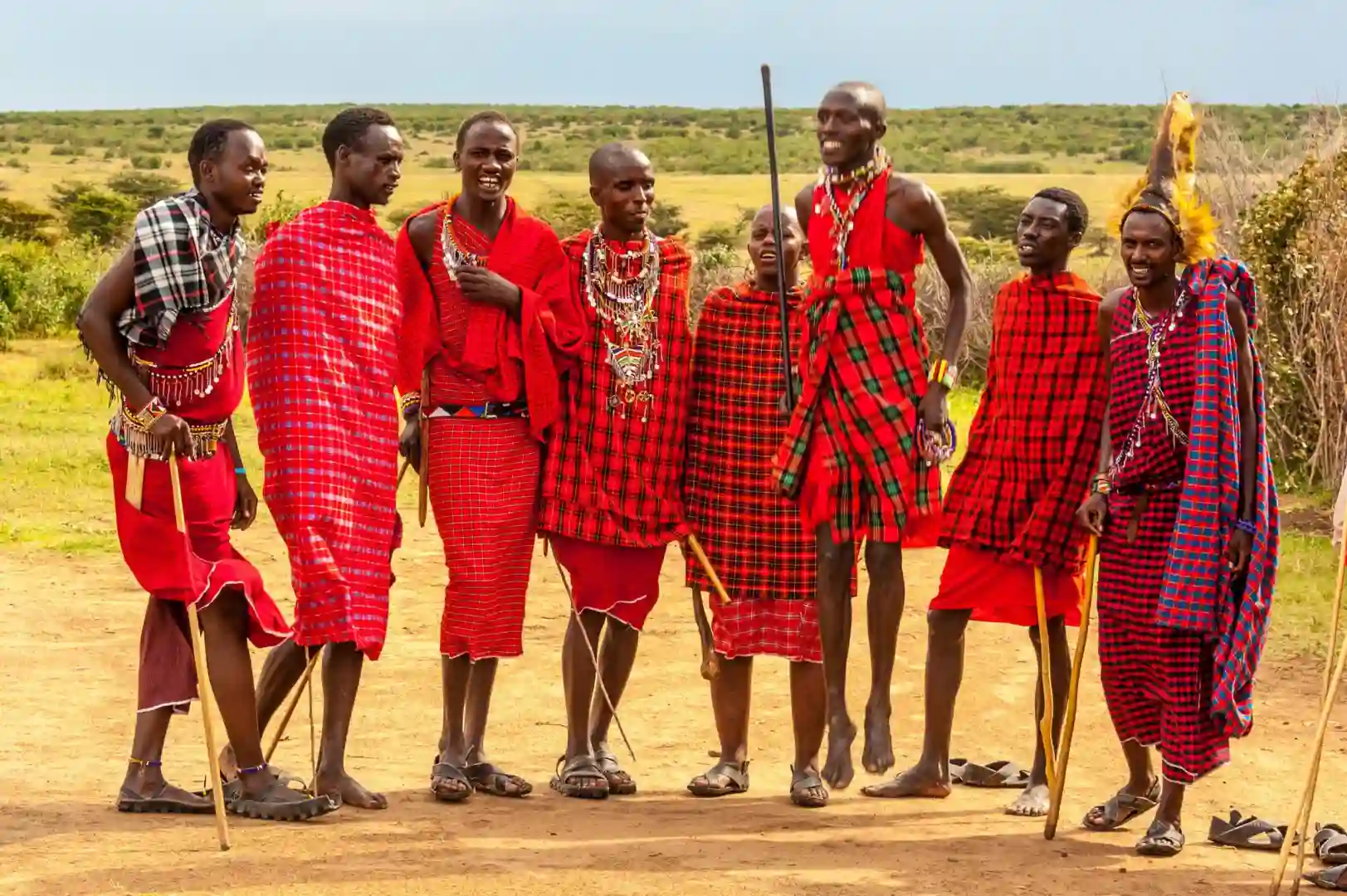
The Untold Maasai Cultural Story of Kenya
When you think of Kenya, you may picture the vast savannahs, roaming wildlife, and breathtaking safaris. Yet, beyond the wildlife lies a cultural jewel the Maasai community, one of the most iconic tribes in Africa. Their story is not just about survival, but about resilience, tradition, and identity that continues to inspire the world.
Who Are the Maasai?
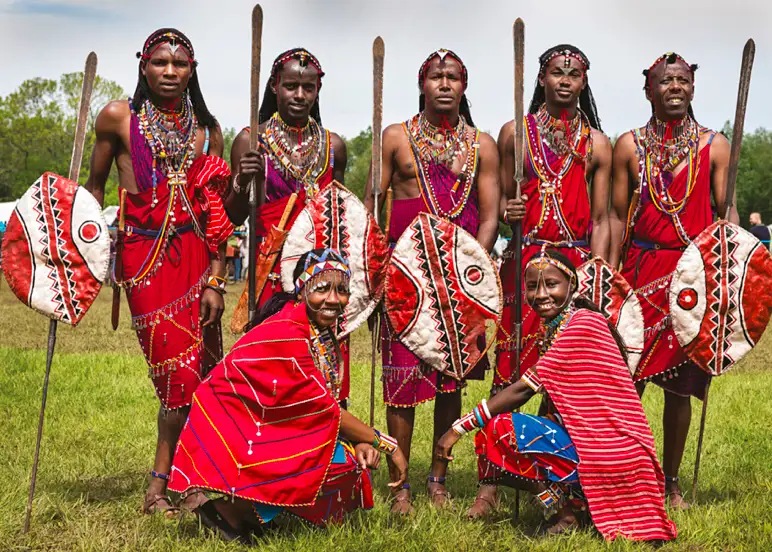
The Maasai are a semi-nomadic people found mainly in Kenya and northern Tanzania, best known for their bright red “shúkà” (cloaks), beaded jewelry, and warrior spirit. They speak the Maa language, though many also use Swahili and English. Despite modernization, the Maasai have preserved much of their ancestral culture, making them one of the few African communities that still live close to their traditions.
The Warrior Spirit – “Moran”
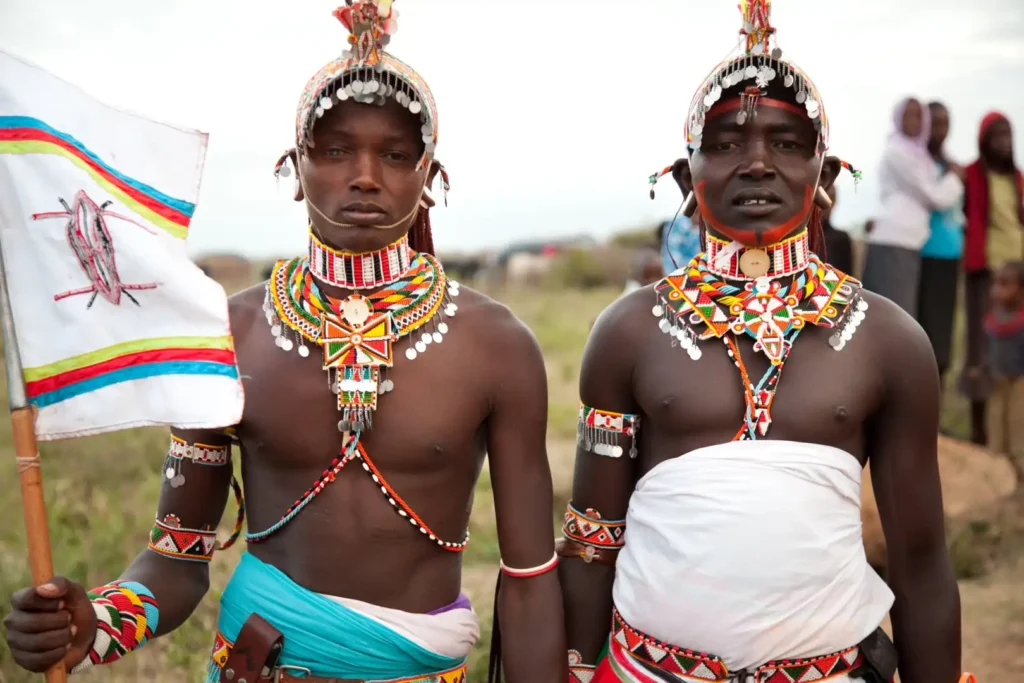
In Maasai culture, boys transition into warriors known as morans after initiation ceremonies. Warriors were historically tasked with protecting the community and cattle from wild animals and rival tribes. While lion hunting has been replaced by conservation-friendly traditions, the bravery and pride of being a Moran remain alive today.
Beadwork and Colorful Identity
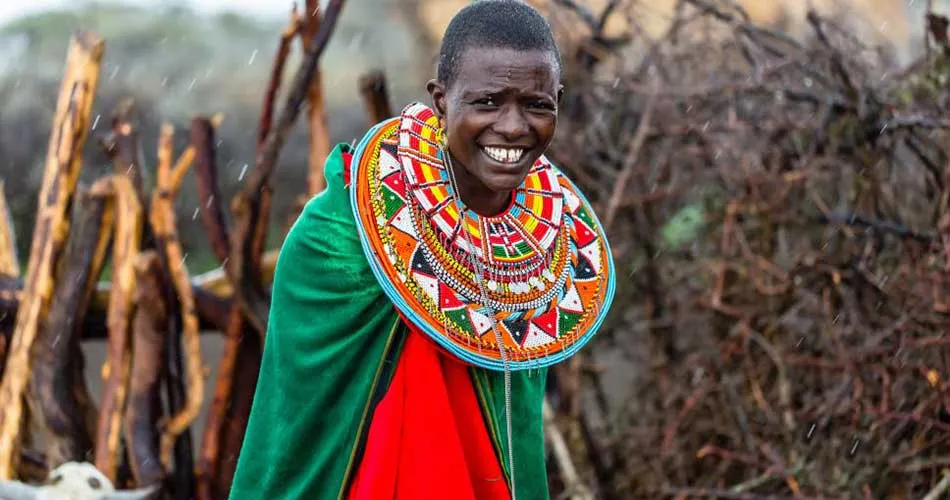
If you’ve ever admired Maasai beadwork, you’ll notice it’s more than just decoration — it’s a storytelling art form. Each color has meaning:
- Red – bravery, strength, and unity
- Blue – energy and the sky
- Green – health and land
- White – purity and peace
- Black – struggles and resilience
These beads are worn during ceremonies like weddings and age-grade celebrations, each piece carrying cultural significance.
Ceremonies and Traditions
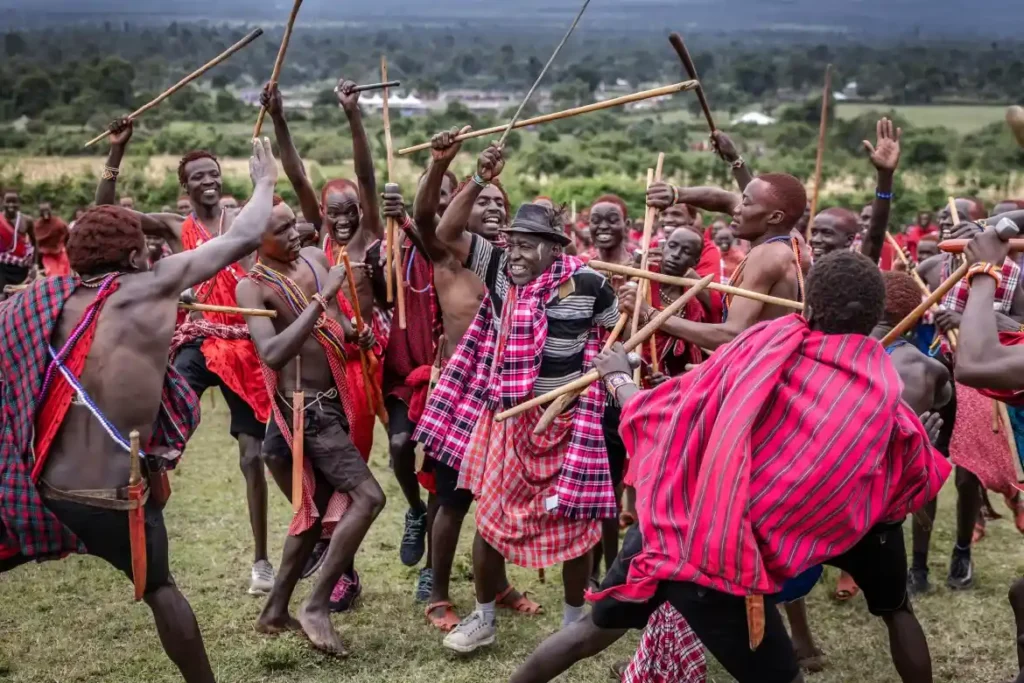
The Maasai community places great importance on ceremonies that mark life stages:
- Enkipaata – pre-initiation ceremony for young boys
- Emuratare – circumcision, a rite of passage into adulthood
- Eokoto e-kule – marriage ceremony
- Eunoto – warriors becoming elders
These traditions unite the community and maintain their cultural rhythm through generations.
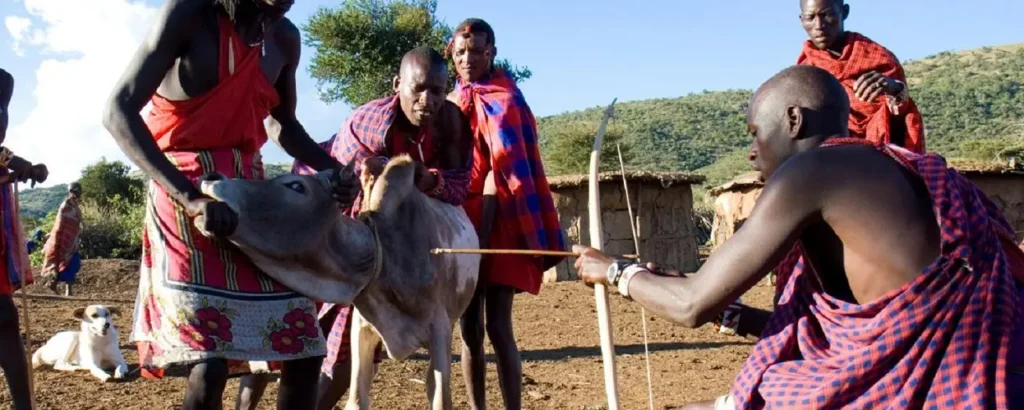
Cattle: The Source of Life
For the Maasai, cattle are wealth, identity, and life itself. They provide milk, meat, and hides, and are also used in cultural transactions such as dowry. It’s often said that “a Maasai without cattle is like a warrior without his spear.”
Maasai in the Modern World
Today, while some Maasai have embraced education and modern livelihoods, many still hold strongly to their cultural roots. They also play a key role in eco-tourism, welcoming visitors to Maasai villages and sharing their culture through music, dance, and storytelling.
Visitors can experience Maasai culture firsthand at cultural centers and during safaris near Maasai land, such as the Maasai Mara National Reserve or the Amboseli National Park, where tradition and nature meet.
Why the Maasai Cultural Story Matters
The Maasai story is more than folklore — it’s a living history of resilience, tradition, and adaptability. It reminds us of the value of cultural preservation in a rapidly modernizing world.
When you visit Kenya, don’t just witness the wildlife — take time to immerse yourself in the Maasai cultural story, a heritage that continues to shape the heart of East Africa.