Giza Black Leopard | Laikipia Safari Guide
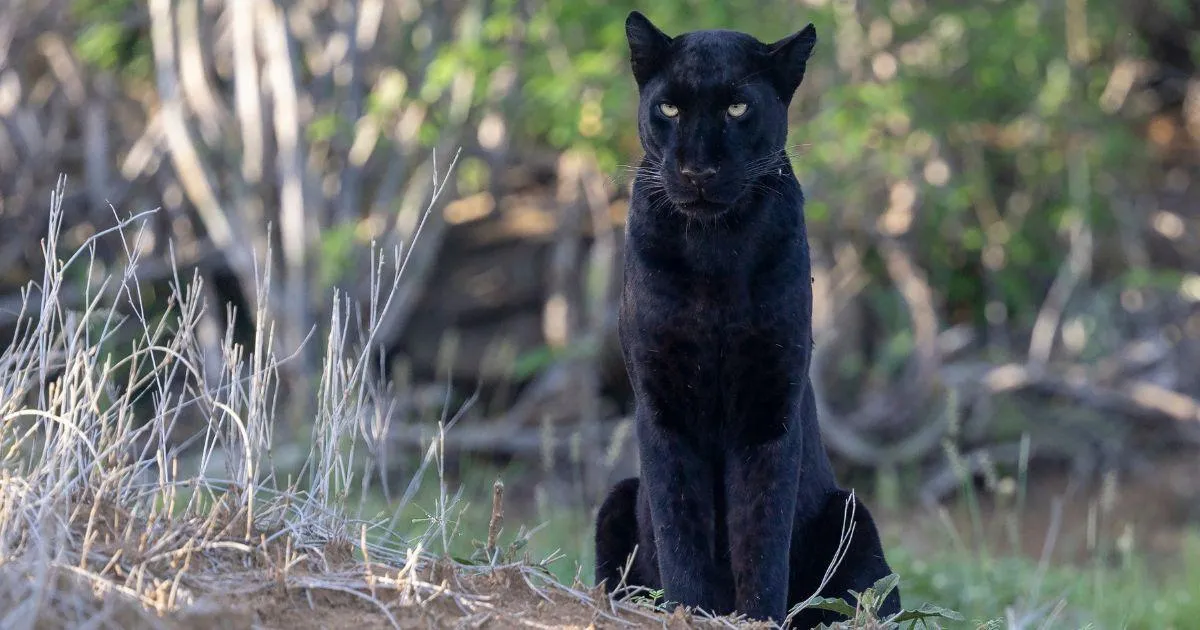
Did you know that a rare black leopard called Giza moves freely through Kenya’s Laikipia wilderness? The Giza black leopard has become one of the region’s most remarkable wildlife icons because of her dark coat, elusive behavior and completely wild lifestyle.
Giza is not kept in an enclosure, trained for visitors or positioned for photographs. She is a free-ranging female leopard living within the wider Laikipia landscape around Ol Gaboli. Her movements depend entirely on natural behavior, hunting opportunities and conditions in the wild.
A possible encounter with Giza is therefore not a guaranteed attraction. It is a rare wildlife experience requiring patience, responsible guiding and respect for her natural environment.
Who Is Giza?
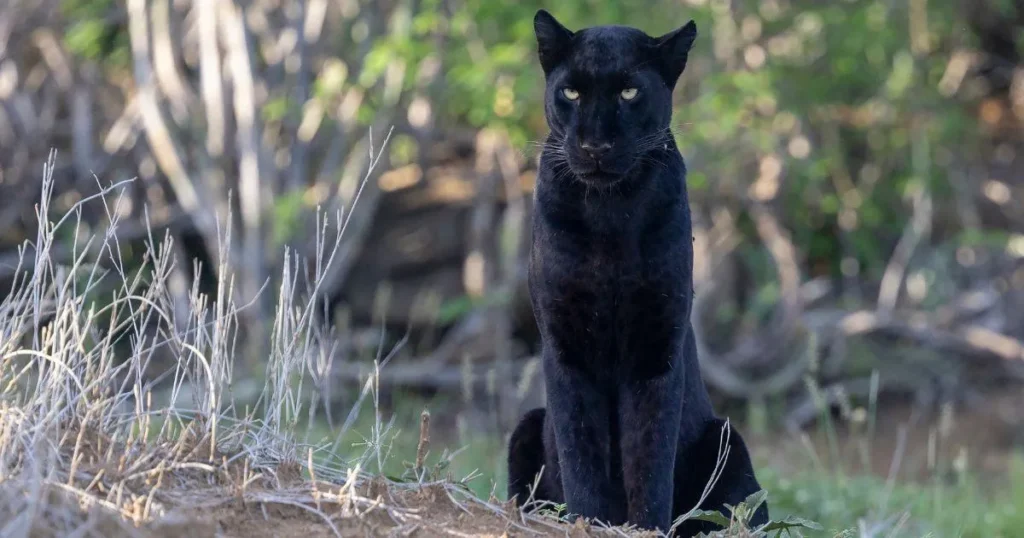
Giza is a wild female melanistic African leopard living in Laikipia, Kenya. She has become one
of Africa’s best-known black leopards because she has been photographed and filmed more
frequently than many other individuals while remaining entirely wild and free-ranging.
Her name, Giza, means “darkness” in Swahili, reflecting the deep color of her coat. She is
sometimes referred to as Giza Mrembo, a name associated with her striking appearance.
Although her unusual coloring attracts international attention, Giza behaves like any other wild
leopard. She travels through her territory, hunts, rests in concealed places and avoids
unnecessary contact with people.
Her ability to remain hidden is part of what makes seeing her so special.
Why Is Giza Black?
Giza’s dark coat is caused by melanism, a naturally occurring genetic variation that produces
increased levels of melanin, the pigment responsible for dark coloring.
Her coat may appear almost completely black, particularly in low light. However, her normal
leopard rosettes have not disappeared. Under suitable sunlight or photographic lighting, the
familiar spotted pattern can still be seen beneath the dark fur.
Melanism does not make Giza a separate species. She remains an African leopard, scientifically
classified as Panthera pardus.
Is Giza a Black Panther?
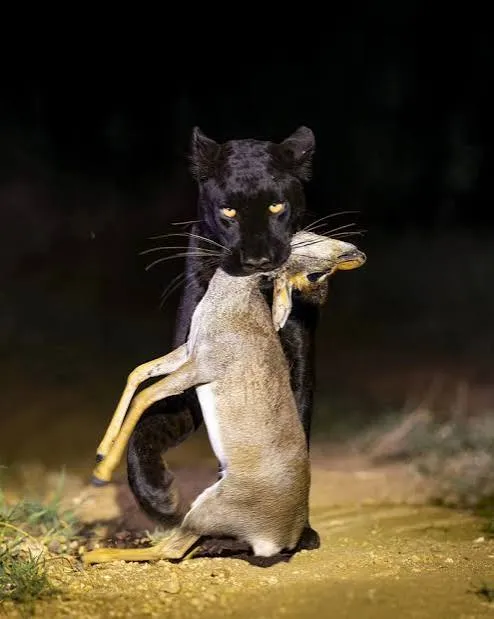
Giza is often called a black panther, but a black panther is not a separate animal species.
The term is commonly used to describe a melanistic big cat belonging to the genus Panthera. In
Africa and Asia, it usually refers to a black leopard. In Central and South America, it normally
refers to a black jaguar.
Giza is therefore more accurately described as a melanistic African leopard or a black leopard.
Her dark coloring is different, but her anatomy, behavior and ecological role are the same as
those of other African leopards.
Why Is Laikipia Important for Black Leopards?
Laikipia has become internationally known for sightings and scientific documentation of
melanistic leopards.
A study published in the African Journal of Ecology in 2019 provided photographic evidence of
a black leopard living in Laikipia County. The research helped confirm that melanistic leopards
occur within the region’s semi-arid landscape.
It is important not to automatically assume that Giza was the exact individual photographed in
every earlier research project. The scientific findings relate to black leopards within the wider
Laikipia landscape.
Today, only a small number of melanistic leopards have been identified across areas including
Mpala, Loisaba and neighboring conservancies. Giza is among the most regularly observed
individuals, but black leopards remain exceptionally rare.
Laikipia’s connected ranches, conservancies, community lands and research areas provide
essential space for predators and their prey to move naturally.
What Is a Giza Black Leopard Safari Like?
A safari focused on the Giza black leopard requires patience and realistic expectations.
Leopards are naturally secretive and highly mobile. They may rest in dense vegetation, move
across rocky terrain or remain inactive for long periods. Black leopards can be even harder to
locate because their dark coats blend with shadows, rocks and woodland.
During a safari, experienced guides may look for:
• Leopard tracks along roads or trails
• Fresh signs of predator activity
• Alarm calls from antelopes, monkeys or birds
• Recent information from rangers
• Movement near rocky areas and riverine vegetation
• Wildlife behavior that may indicate a predator nearby
The search itself is part of the experience. Guests may spend several game drives exploring
Giza’s wider habitat while observing many other animals.
Even when
Can You Be Guaranteed a Giza Sighting?
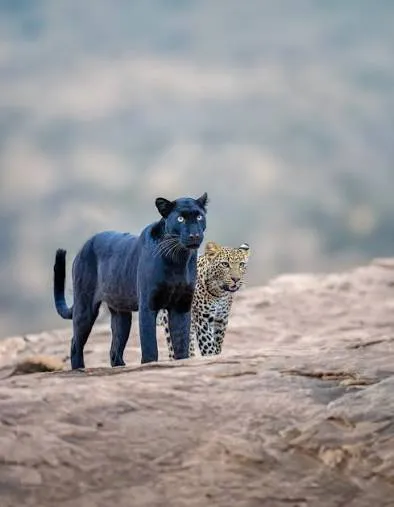
No. Giza is a wild and free-ranging animal.
Her movements depend on hunting, territorial behavior, weather, breeding activity and
interactions with other wildlife. She may be in the area but remain completely hidden.
Ol Gaboli advises guests travelling primarily to search for Giza to consider staying for at least
four nights. Laikipia Wilderness similarly recommends a longer stay of approximately four to
seven nights when black-leopard viewing is the main objective.
A longer visit provides more opportunities without placing pressure on guides or the animal.
Even then, a sighting cannot be promised.
Other Wildlife You May See in Laikipia
A Laikipia safari should not depend entirely on finding Giza.
The region supports a wide range of wildlife across its grasslands, river valleys, acacia woodland
and rocky hills.
Depending on the location and natural movements, travelers may encounter:
• Elephants
• Lions
• Spotted leopards
• Cheetahs
• African wild dogs
• Grevy’s zebras
• Reticulated giraffes
• Buffaloes
• Spotted hyenas
• Warthogs
• Gazelles and antelopes
• Numerous bird species
This diversity makes every game drive rewarding, even when Giza remains hidden.
Suggested Four-Day Giza Safari
Day 1: Travel to Laikipia
Travel from Nairobi by road or scheduled safari flight.
After arriving at your lodge, meet your guide and learn about Laikipia’s wildlife, black leopards
and responsible viewing rules.
Join an afternoon game drive and begin exploring the landscape.
Day 2: Search for Giza
Start with an early-morning game drive accompanied by an experienced guide.
Look for tracks, alarm calls and recent signs of leopard activity. Return to the lodge during the
warmer part of the day before joining another afternoon drive.
Day 3: Wildlife and Photography
Continue searching for Giza during the most suitable wildlife-viewing hours.
Spend time photographing other Laikipia wildlife and learning how guides identify predator
tracks, behavior and movement.
A possible sighting should be treated as a privilege rather than an expectation.
Day 4: Final Game Drive and Departure
Enjoy a final early-morning game drive before returning to Nairobi or continuing to another
destination.
The journey can be extended to:
• Ol Pejeta Conservancy
• Samburu
• Maasai Mara
• Lake Nakuru
• Lake Naivasha
• Mount Kenya
• Kenya’s Indian Ocean coast
Why Choose Hideaway Safaris?
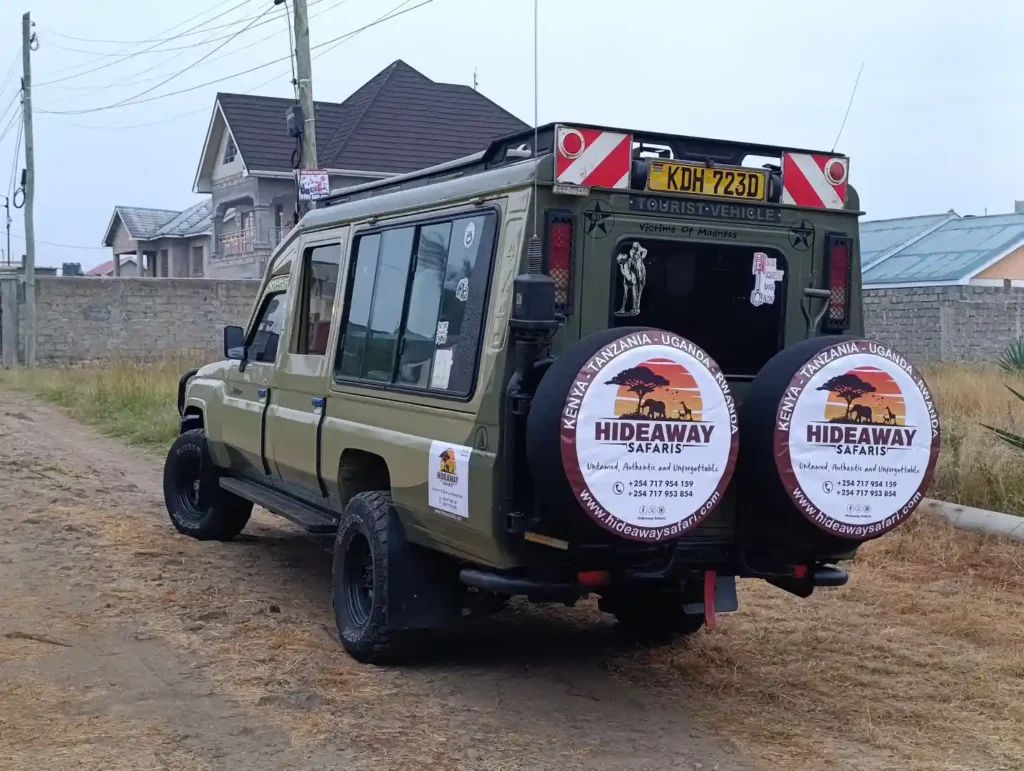
Planning a specialized black-leopard safari requires coordination between transport,
accommodation, conservancy access and responsible guiding.
Hideaway Safaris can create a personalized Laikipia itinerary based on your travel dates, budget
and wildlife interests.
Your journey can include:
• Road or fly-in transport to Laikipia
• Carefully selected camps and lodges
• Experienced safari driver-guides
• Responsible black-leopard searches
• Private wildlife-viewing vehicles
• Photography-focused game drives
• Laikipia conservancy combinations
• Ol Pejeta safari extensions
• Family and honeymoon itineraries
• Maasai Mara or Samburu combinations
• Safari-and-beach extensions
• Personalized local support
Plan Your Giza Black Leopard Safari
The Giza black leopard represents the mystery, beauty and conservation importance of Kenya’s
Laikipia wilderness.
Her rare coat may have made her famous, but her greatest value lies in what she represents: a
free-ranging predator living within a landscape where wildlife, communities, conservation and
responsible tourism remain closely connected.
Whether Giza appears in the morning light or stays hidden throughout the journey, exploring her
habitat offers a deeper appreciation of Laikipia and its remarkable wildlife.
Contact Hideaway Safaris to plan a responsible Laikipia journey focused on rare wildlife,
ethical viewing and the possibility of encountering Giza, Kenya’s famous black leopard.