Imagine gliding along an African river as hippopotamuses surface nearby, crocodiles rest on sandy banks, and elephants wander through the surrounding wilderness. This remarkable experience awaits visitors on a Nyerere National Park safari, exploring one of Africa’s largest and most fascinating protected wildlife areas.
Located in southern Tanzania, Nyerere National Park offers a distinctive safari experience where traditional game drives meet scenic boat safaris, guided walking adventures, and incredible wildlife encounters.
Unlike Tanzania’s famous Northern Safari Circuit, which includes Serengeti National Park and Ngorongoro Crater, Nyerere is renowned for its extensive river systems, beautiful woodlands, and relatively uncrowded safari landscapes.
The park’s most recognisable attraction is the mighty Rufiji River, which supports an extraordinary variety of wildlife and offers visitors an opportunity to explore Tanzania’s wilderness from the water.
From African wild dogs and lions to elephants, giraffes, and hundreds of bird species, Nyerere provides exceptional opportunities for nature lovers and wildlife photographers.
This Nyerere National Park safari guide for 2027 explains everything travellers need to know about the park’s wildlife, boat safaris, activities, accommodation, travel seasons, safari costs, and suggested itineraries.
Why Choose a Nyerere National Park Safari in 2027?
Nyerere National Park is one of Tanzania’s most impressive wildlife destinations. Its great size and varied habitats make it especially interesting for travellers who love nature.
The park covers more than 30,000 square kilometres. Across this enormous landscape, you will find miombo woodlands, grasslands, river channels, floodplains, and lakes. Together, these habitats support a wide range of plants and animals.
Tanzania established the park in 2019 from part of the historic Selous Game Reserve. The country named it in honour of Julius Nyerere, Tanzania’s first president. The park’s creation helped protect one of Africa’s largest national park landscapes.
Today, these protected habitats support elephants, lions, African wild dogs, and many other species. Therefore, a visit gives travellers an opportunity to appreciate both the wildlife and its natural home.
Discover the Famous Rufiji River
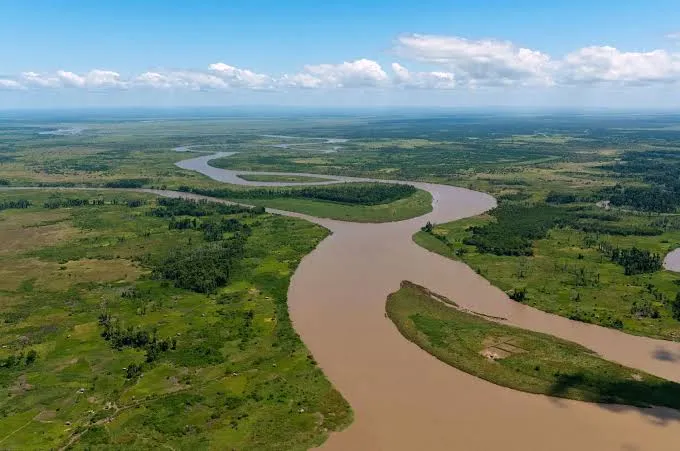
The Rufiji River is the defining natural feature of Nyerere National Park. For many visitors, it is also a highlight of the entire safari experience.
Its channels, lakes, wetlands, and sandy riverbanks form an important wildlife habitat. Moreover, the waterways connect several scenic parts of the park. This makes the river especially appealing to visitors who enjoy nature and photography.
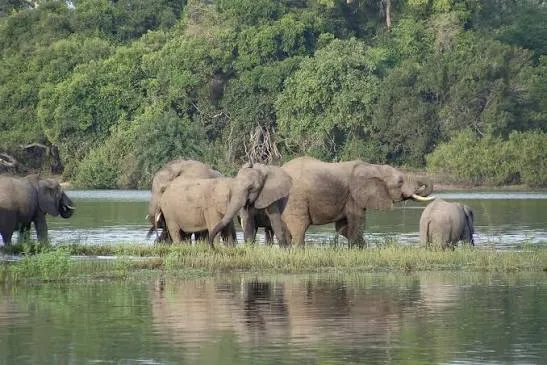
During a safari, you may see hippos resting in the water. You might also spot crocodiles basking along the riverbanks. Meanwhile, elephants sometimes approach the river to drink.
The landscapes around the water attract many birds. These include fish eagles, kingfishers, herons, and other water-associated species. Consequently, river trips can be rewarding for both wildlife viewing and birdwatching.
Many travellers are familiar with vehicle-based safaris. However, exploring the Rufiji River by boat offers a fresh perspective. It is one of the experiences that makes Nyerere particularly appealing.
Explore Tanzania's Southern Safari Circuit
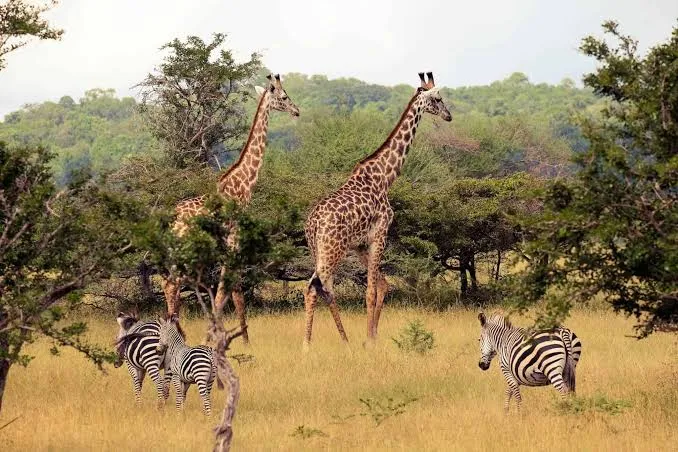
Tanzania’s Southern Safari Circuit feels different from the country’s more frequently visited northern destinations. Its vast wilderness areas create a sense of space and adventure.
In many areas, visitors can enjoy game drives with fewer safari vehicles than at some famous tourist destinations. Therefore, the southern circuit appeals to travellers who prefer quieter wildlife experiences.
Nyerere is especially attractive to travellers seeking:
- Traditional African wildlife safaris
- Scenic river boat excursions
- Guided walking safari opportunities
- African wild dog sightings
- Birdwatching and wildlife photography
- A quieter wilderness experience
The range of activities also makes Nyerere suitable for couples and families. Likewise, photography enthusiasts can enjoy its varied landscapes and animals. The park also suits travellers who want something different from a conventional game-drive itinerary.
Discover more of Tanzania through Hideaway Safaris’ Tanzania safari destinations.
Wildlife to See on a Nyerere National Park Safari
Nyerere National Park protects an extraordinary variety of wildlife. From large mammals to colourful birds, there is much to discover.
The park includes woodlands, open plains, rivers, and wetlands. These habitats provide homes for predators, reptiles, large mammals, and many bird species. Each area supports different forms of wildlife.
However, no safari can promise every animal sighting. Encounters depend on the season, animal movements, and the areas you explore. For this reason, it helps to plan enough time for wildlife viewing.
African Wild Dogs: One of Nyerere's Greatest Attractions
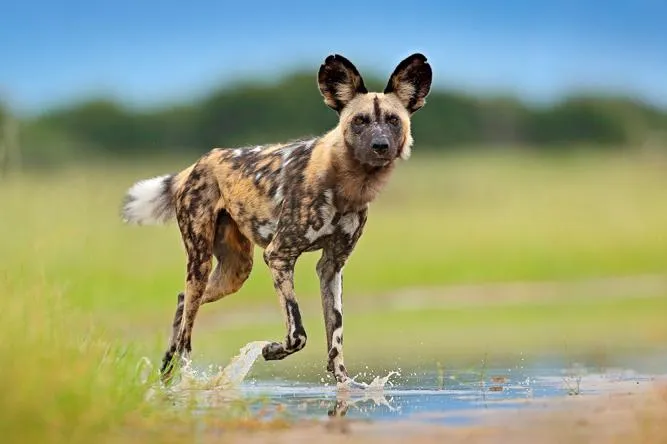
African wild dogs are among the park’s most remarkable animals. They are an important reason why wildlife enthusiasts visit Nyerere.
These endangered predators have patterned coats and large, rounded ears. They also show impressive teamwork when hunting. Unlike many solitary carnivores, African wild dogs live and hunt in social packs.
Nyerere is an important stronghold for African wild dogs. As a result, it attracts travellers who hope to see these animals in their natural environment. Watching a pack can be a memorable safari experience.
However, wild dog packs travel considerable distances. Their movements are hard to predict, so sightings are never guaranteed. Extra game drives may improve your chances of encountering them.
Lions: Powerful Savannah Predators

Lions are another major attraction in Nyerere National Park. They inhabit plains, woodlands, and riverine environments throughout the park.
During a game drive, you may see lions resting beneath trees. At other times, they may watch grazing animals or move across open landscapes. Each encounter offers a glimpse of their natural behaviour.
Early morning and late afternoon often provide good conditions for viewing lions. During these hours, temperatures are generally cooler. In addition, wildlife photographers appreciate the softer natural light.
African Elephants
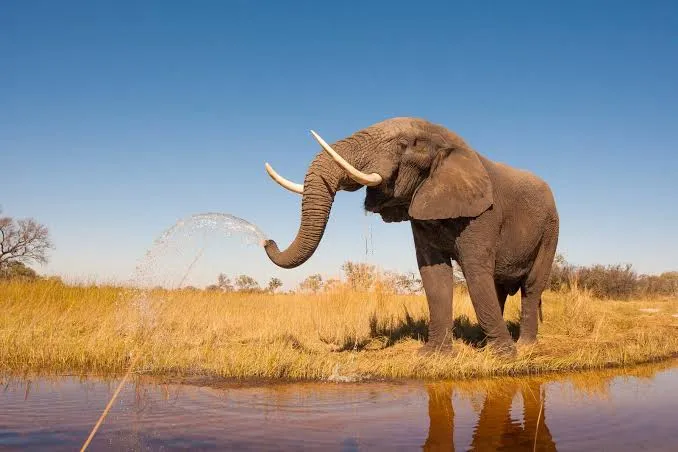
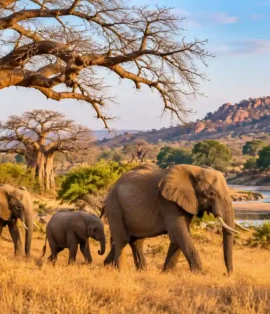
Elephants are among Nyerere’s most recognisable large mammals. They are a highlight of many wildlife safaris.
The park’s vast habitats let visitors watch elephants move through woodlands. You may also see them feeding on plants or visiting water sources. These behaviours offer valuable insights into their daily lives.
During dry periods, the Rufiji River and nearby wetlands can attract wildlife. Elephants may visit these areas in search of water. Therefore, riverbanks can become rewarding places to watch them.
Seeing elephants near the river creates memorable photo opportunities. It also shows why the park’s waterways are so important to the ecosystem.
Leopards and Spotted Hyenas
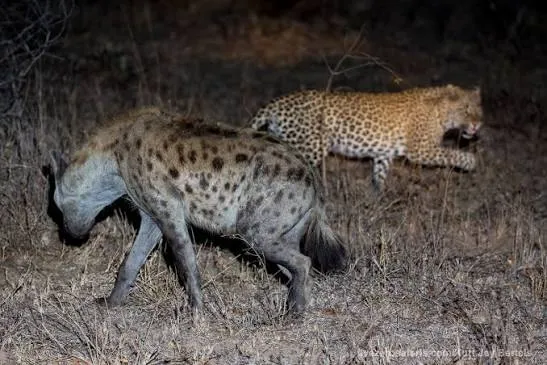
Leopards live in Nyerere’s wooded and riverine areas. However, their secretive behaviour makes them difficult to spot. Patience is often important when looking for these elusive animals.
Spotted hyenas also live in the park. Both hyenas and leopards play important roles in the natural balance of the ecosystem. Each predator contributes to the wider wildlife community.
If you hope to see carnivores, allow time for several game drives. This is a better approach than expecting to see every predator on one excursion. Even then, wildlife sightings remain unpredictable.
Hippopotamuses and Nile Crocodiles

Hippos and Nile crocodiles are two of the animals most closely linked to Nyerere’s waterways. Both are important parts of the river ecosystem.
Hippos spend much of the day in rivers and lakes. Meanwhile, crocodiles may rest along the water’s edge. A boat safari can give you a very different view of these animals.
For safety, authorised guides must lead all boat activities. They should also follow the park’s wildlife safety procedures. Visitors must follow their instructions throughout the trip.
Best Nyerere National Park Safari Activities
One of Nyerere’s greatest advantages is the range of activities it offers. Visitors can enjoy more than a traditional game drive.
You can explore by vehicle or boat. In authorised areas, you can also join a guided walk. Each activity reveals a different side of the park’s wildlife and scenery.
Rufiji River Boat Safari in Nyerere National Park
A Rufiji River boat safari is one of Nyerere National Park’s most distinctive attractions. It offers a fresh way to enjoy the wildlife and river scenery.
Unlike a vehicle-based game drive, a boat excursion takes you through river channels and nearby lakes. Along the way, you can enjoy views of wildlife from the water. The river setting also creates special photography opportunities.
During a boat trip, you may see:
- Hippopotamuses
- Nile crocodiles
- Elephants near riverbanks
- Waterbirds
- Buffaloes and other wildlife near water sources
Boat trips appeal to wildlife photographers for several reasons. For example, they provide different viewing angles and opportunities to capture reflections. Photographers can also enjoy river scenery and bird activity.
Some operators offer late-afternoon excursions. However, availability depends on schedules, water levels, and park regulations. Always check the arrangements before booking.
Authorised operators must follow the park’s boating procedures. They must also provide appropriate safety equipment. These measures help visitors enjoy the experience responsibly.
Guided Game Drives
Game drives remain one of the most rewarding ways to explore Nyerere National Park. They allow visitors to travel through different wildlife habitats.
Your safari vehicle follows designated tracks as you search for lions, elephants, wild dogs, giraffes, and other animals. As you move through the park, the landscape can change from woodland to open grassland.
Morning game drives offer cooler conditions. Meanwhile, afternoon excursions provide opportunities to observe changes in wildlife activity. Both times can be rewarding in different ways.
A full-day game drive gives you more time to explore different habitats. An experienced guide can also explain animal behaviour and help identify wildlife. In addition, guides know how to look for promising viewing areas.
Walking Safaris
Nyerere also offers guided walking safari experiences. These walks provide a closer look at smaller details in the landscape.
In suitable areas, visitors can explore features they might miss from a vehicle. For example, a guide may point out animal tracks, insects, birds, and plants. Guides can also explain the relationships between wildlife and the surrounding environment.
However, walking safaris are not independent hikes. Authorised guides must organise them and meet park permit, safety, and eligibility requirements. Always follow the guide’s instructions.
Wildlife Photography Safaris
Nyerere is an appealing destination for wildlife and landscape photographers. Its varied habitats offer many subjects and settings.
You can photograph large mammals, birds, river channels, wooded landscapes, and dramatic skies. Each area provides a different background for your images.
For a broader photography experience, combine game drives with boat excursions. This gives you more viewing angles than one activity alone. It also lets you explore wildlife on land and near water.
Birdwatching Excursions
Birdwatching is another rewarding activity in Nyerere. Both the wetlands and woodlands offer good opportunities to observe birds.
Rivers and wetlands attract many water-associated species. Meanwhile, the surrounding woodlands support other birds. Exploring more than one habitat can make the experience especially interesting.
An experienced guide can help identify birds in selected areas. For this reason, guided excursions may be useful for visitors who want to learn more.
Bring binoculars and a bird identification guide. Suitable camera equipment is also helpful if you plan to take photographs. Together, these items can improve your birdwatching experience.
Best Time for a Nyerere National Park Safari in 2027
Nyerere National Park offers different experiences throughout the year. Each season changes the landscape and wildlife-viewing conditions.
The best time to visit depends on your interests. Some travellers prioritise large mammals and game drives. Others prefer boat safaris, birdwatching, or green-season scenery.
June to October: Best for Classic Wildlife Viewing
June to October is generally a favourable period for wildlife safaris in southern Tanzania. These months often offer useful conditions for traditional game drives.
During the dry season, vegetation becomes thinner. Animals may also gather near permanent water sources. As a result, visitors can have better opportunities to see elephants, lions, buffaloes, and other wildlife.
Dry conditions can also make some safari routes easier to navigate. Therefore, these months are a strong option for travellers planning their first Nyerere wildlife safari.
November to December: Changing Landscapes
Rainfall often begins to increase around November. However, the exact timing can vary from year to year.
The first rains transform the landscape and encourage fresh plants to grow. As temporary water sources appear, wildlife movements may change. These natural changes can create a different safari experience.
November and December can offer attractive scenery and birdwatching opportunities. However, rain may affect roads and safari activities. Visitors should keep their travel plans flexible.
January to February: Green-Season Adventures
January and February can bring beautiful green landscapes to parts of southern Tanzania. These months may appeal to travellers who enjoy scenic photography.
Birdwatching can also be particularly rewarding. In addition, the park may offer excellent opportunities to photograph lush scenery and wildlife.
Animals remain in the park during the green season. However, they may spread across larger areas than in the driest months. This can make some sightings more difficult.
Travel conditions also vary. In some areas, recent rainfall may affect access and activities. Therefore, confirm local arrangements before your trip.
March to May: Wet-Season Travel Considerations
March to May generally includes the wetter part of Tanzania’s seasonal cycle. During this period, heavy rainfall can affect roads and river conditions.
Rain may also limit access to certain areas. In addition, some safari camps or activities may suspend operations during especially wet periods.
If you plan to visit during these months, check accommodation availability well in advance. You should also confirm transport arrangements before travelling. This will help you prepare for possible changes.
Travel recommendation: Consider June to October for traditional game drives and wildlife viewing. On the other hand, the greener months can suit photography and birdwatching. These trips work best when travel conditions allow.
Remember to check actual weather and operating arrangements for 2027 before departure. Conditions may change from season to season.
Getting to Nyerere National Park, Accommodation and Safari Costs
Planning transport, accommodation, and activities is an important part of a southern Tanzania safari. Good preparation helps you make the most of your time in the park.
Nyerere covers a vast wilderness area. Therefore, you should match your travel plans to the section of the park you want to explore. Accommodation location and travel distances both matter.
How to Get to Nyerere National Park
Visitors can reach Nyerere by road or air. Each option offers different benefits, depending on your itinerary and available time.
By road from Dar es Salaam
Many road safaris begin in Dar es Salaam. The route depends on your chosen park entrance and accommodation. Therefore, travel times can differ between trips.
Road travel may take several hours. In addition, rainy-season conditions can change the journey. A suitable four-wheel-drive vehicle is especially useful for remote safari routes.
By air
Scheduled and charter flights may serve airstrips within or near Nyerere National Park. Flight options depend on airline schedules and seasonal arrangements.
Connections may operate from Dar es Salaam and other departure points. Because routes can change, always confirm the available flights when planning your trip.
Flying can reduce a long road transfer. As a result, you may have more time for wildlife activities. Remember to arrange your transfer from the airstrip to your accommodation before arrival.
Accommodation Options for Your Nyerere National Park Safari
Nyerere offers different styles of safari accommodation. You can choose an option that suits your preferred comfort level and travel plans.
Luxury safari lodges
Selected luxury lodges provide comfortable facilities and guided wildlife activities. Some properties sit near scenic river systems. As a result, guests can enjoy views of the surrounding wilderness during their stay.
Tented safari camps
Tented camps offer an immersive outdoor experience. However, their comfort levels and facilities can vary.
Some camps provide private bathrooms and dining areas. Others also arrange guided game drives and river excursions. Therefore, check the facilities and included activities before you book.
Public and special campsites
Visitors can camp in designated locations, subject to park rules and reservations. Camping offers a different way to experience the natural setting.
Before choosing a campsite, confirm the equipment and services available. You should also check any required permits or bookings.
Accommodation location deserves special attention. Distances across the wider Nyerere ecosystem can be substantial. Therefore, staying near your planned activities can make travel arrangements easier.
Nyerere National Park Safari Costs and Fees in 2026
The total cost of a Nyerere National Park safari depends on several factors. Your accommodation, activities, and travel arrangements all affect the budget.
The main cost factors include:
- Park entrance and conservation charges
- Accommodation type and duration
- Guided game drives
- Boat safari arrangements
- Walking safari permits and guides
- Road transfers or domestic flights
- Meals and other included services
- Number of travellers
Park entry fees vary by visitor classification, age, and applicable regulations. Therefore, different travellers may pay different amounts.
Vehicle charges, concession fees, camping fees, and special activities may increase the total. For this reason, it is helpful to review what each safari package includes.
This guide does not list confirmed official prices for 2027. Therefore, travellers should check the current charges before booking. This will help avoid relying on outdated estimates.
Visit the official Nyerere National Park information page for regulations and fee details. You can also request a personalised quotation to understand your overall safari budget.
Plan Your Nyerere National Park Safari with Hideaway Safaris
The ideal length of a Nyerere visit depends on your travel style and wildlife interests. Think about the activities you want to enjoy before choosing your itinerary.
If you want game drives, a boat safari, and time to relax, consider at least two or three nights. This gives you time to enjoy different experiences without rushing.
Three-Day Nyerere National Park Safari Itinerary
A three-day visit can combine river scenery with traditional wildlife viewing. The following itinerary provides a helpful starting point.
Day 1: Arrival and Rufiji River Experience
Travel from Dar es Salaam or another departure point to your selected accommodation. After arrival, check in and settle into your safari surroundings.
If schedules and conditions permit, enjoy a planned afternoon activity. For example, you may join a Rufiji River boat safari.
During the excursion, look for river scenery, waterbirds, hippos, and other wildlife. Afterwards, return to your accommodation for the evening.
Day 2: Full-Day Game Drive
Start your day with an early morning game drive. This is a good time to explore the park in cooler conditions.
Travel through selected habitats while searching for elephants, lions, African wild dogs, giraffes, and other wildlife. Your guide can help you recognise animals and learn about their behaviour.
Take a scheduled meal or rest break during the day. Afterwards, continue the safari through more wildlife areas. The afternoon offers further opportunities for photography and animal viewing.
Day 3: Morning Activity and Departure
Depending on your departure plans, enjoy a final game drive or another authorised activity. This may offer one more opportunity to explore the wilderness.
Then, return to your accommodation before travelling onwards. Your exact schedule will depend on the transfer arrangements.
Four-Day Nyerere National Park Safari Itinerary
A four-day safari provides more time for different activities. It can also allow a less hurried pace between wildlife experiences.
An extended itinerary may include:
- Multiple game drives
- A Rufiji River boat excursion
- Birdwatching
- An authorised guided walking safari
- Wildlife and landscape photography
- Time to relax at the safari camp
Longer itineraries can be especially worthwhile for people interested in African wild dogs. These animals move unpredictably, and no operator can guarantee sightings. However, extra time gives visitors more opportunities to explore suitable habitats.
Combine Nyerere National Park with Zanzibar
Another appealing option is to combine a southern Tanzania safari with a Zanzibar beach holiday. This brings together wildlife adventures and time by the sea.
After exploring Nyerere’s wildlife-rich landscapes, you can continue to Zanzibar. There, travellers can enjoy beaches, cultural experiences, and relaxation. This combination offers two different sides of a Tanzania holiday.
However, flight routes, connections, and transfer times need careful planning. Confirm these arrangements before finalising your itinerary.
For beach holiday inspiration, explore Hideaway Safaris’ Tanzania destinations and packages.
Frequently Asked Questions About Nyerere National Park
Is Nyerere National Park worth visiting in 2027?
Yes. Nyerere is an excellent choice for travellers who enjoy wildlife and beautiful river scenery. In particular, visitors come for Rufiji River boat safaris and the chance to see African wild dogs. The relatively uncrowded wilderness also adds to its appeal.
Is Nyerere National Park the same as Selous Game Reserve?
Not exactly. Tanzania created Nyerere National Park in 2019 from part of the historic Selous Game Reserve. The remaining reserve and the national park are separate protected areas. However, people still commonly use the name Selous when discussing tourism in the region.
Can you see the Big Five in Nyerere National Park?
Nyerere is well known for lions, leopards, elephants, and buffaloes. However, rhinoceroses are not a reliable sighting here. Therefore, travellers should not expect to see all five members of the Big Five during their safari.
How many days should you spend in Nyerere National Park?
Three to four days is a good starting point. This allows time for several game drives and a river safari. However, longer visits create more opportunities to explore the park’s different habitats.
Can you take a boat safari in Nyerere National Park?
Yes. Authorised boat safaris operate on the Rufiji River and its associated waterways. They are among the park’s signature experiences. However, the activity depends on water conditions, permits, and operator schedules.
What is the difference between Nyerere and Serengeti National Park?
The Serengeti is especially famous for its vast plains and the Great Migration. Nyerere offers a different setting, with rivers, wetlands, and woodlands. In addition, Nyerere is known for boat safaris and its strong reputation for African wild dogs.
Book Your Tanzania Wildlife Safari with Hideaway Safaris

Nyerere National Park offers a remarkable chance to discover Tanzania’s vast wilderness. You can experience the landscape in several ways, including game drives and river excursions.
For example, you might watch elephants beside the Rufiji River. You may also spend time searching for lions and African wild dogs. Each safari reveals more of the natural diversity of southern Tanzania.
At Hideaway Safaris & Expeditions, we help travellers explore East Africa. Our services include personalised safari planning, destination advice, and carefully organised travel experiences. We aim to help each traveller find a suitable itinerary.
You may want a wildlife-focused trip to Nyerere. Alternatively, you might prefer to combine Tanzania’s national parks with a relaxing Zanzibar beach holiday. In either case, our team can help you explore itinerary options that suit your travel interests.
For more Tanzania safari inspiration, discover our Ngorongoro Crater Safari Guide. You can also explore our existing Tanzania safari packages.