Kenya Safari 2026: Best Time to Visit Month-by-Month
Did you know that a Kenya safari can offer rewarding experiences throughout the year?
The best time to visit depends on what you want to experience. Some travelers want to see the Great Wildebeest Migration in the Maasai Mara, while others prefer fewer visitors, green landscapes, birdwatching, photography or lower-season travel.
Kenya’s different regions also experience varying weather conditions. The coast is generally warmer and more humid, the central highlands are cooler, while northern and eastern Kenya tend to be hotter and drier.
Kenya Wildlife Service describes the country’s parks and reserves as year-round destinations. It generally identifies July to March as higher-season periods for wildlife viewing, while April to June is associated with the long rains and lower visitor numbers.
Understanding what each month can offer makes it easier to choose travel dates that match your wildlife interests, budget and preferred safari experience.
When Is the Best Time to Visit Kenya for Safari?
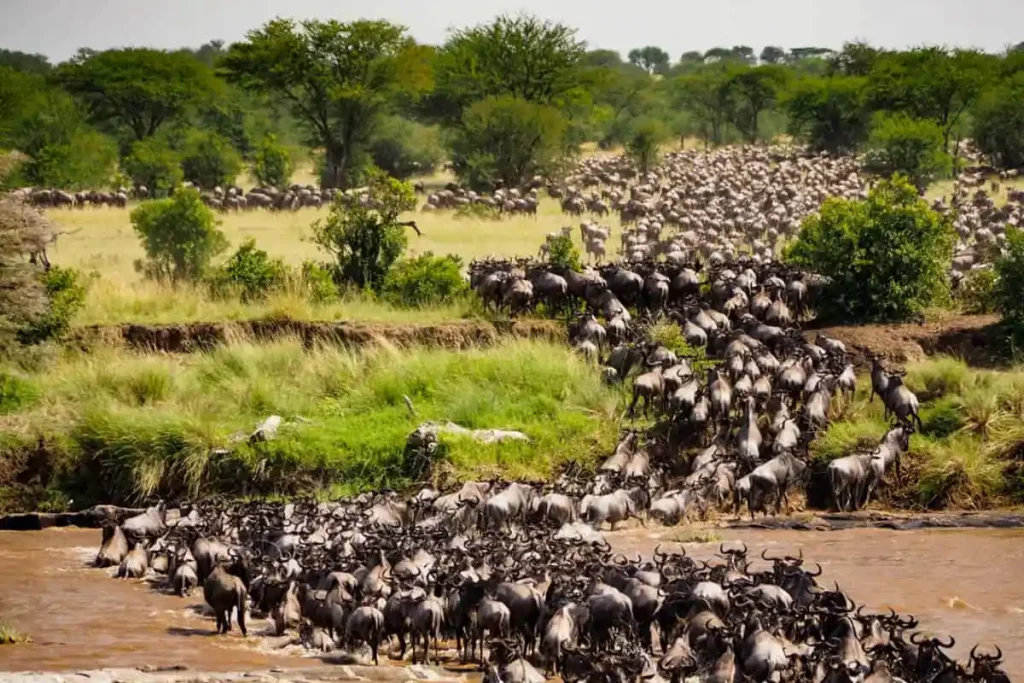
For travelers looking for generally dry conditions and traditional wildlife viewing, the period
from July to October is particularly popular.
Vegetation may become shorter in many safari areas, roads are generally easier to navigate, and
wildlife can be easier to observe around permanent water sources.
This period also overlaps with the Great Wildebeest Migration in the wider Maasai Mara
ecosystem.
However, July to October is not automatically the best period for every traveler.
January and February can provide excellent wildlife viewing, while the greener months can be
rewarding for photographers, birdwatchers and travelers who prefer fewer safari vehicles.
The best time should therefore be selected according to the experience you want rather than
simply choosing the busiest season.
Kenya Safari in January

January can be an excellent month for a safari in Kenya.
The month normally falls within a relatively dry period following the short rains. Landscapes
may still retain some greenery while safari conditions are generally favorable in many wildlife
areas.
Destinations such as the Maasai Mara, Amboseli, Samburu, Laikipia and Tsavo can all be
considered during this period.
January can be particularly suitable for:
• General wildlife viewing
• Photography
• Family safaris
• Honeymoon safaris
• Birdwatching
• Safari-and-beach combinations
• Travelers who do not need to see the Great Migration
Amboseli can be especially attractive for travelers interested in elephants and views of Mount
Kilimanjaro when weather conditions are clear.
Wildlife sightings and mountain visibility cannot be guaranteed.
Kenya Safari in February
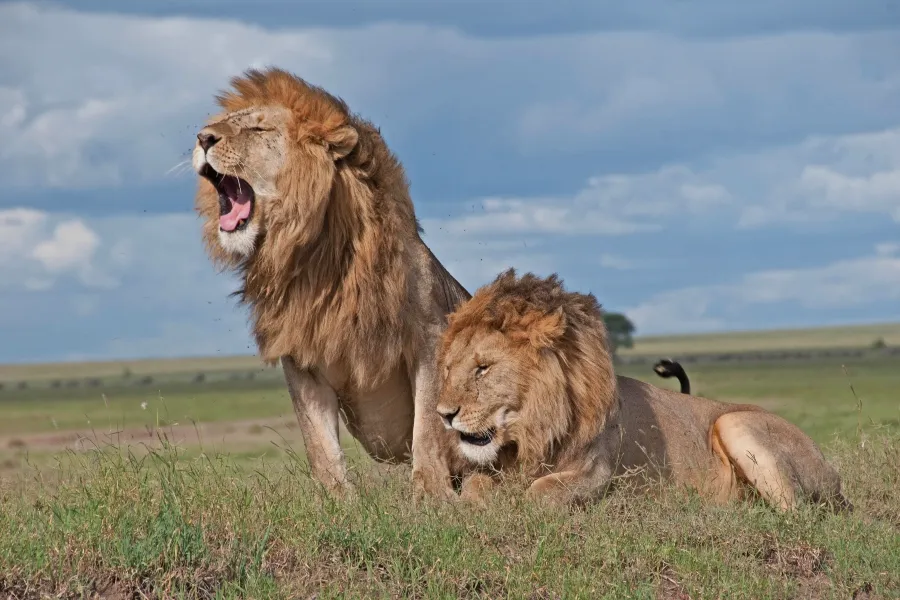
February is another popular month for wildlife safaris.
Conditions are often relatively warm and dry across many traditional safari destinations.
Animals may gather around reliable water sources, while shorter vegetation in some areas can
make wildlife easier to observe.
A February safari can include destinations such as:
• Maasai Mara
• Amboseli
• Samburu
• Ol Pejeta
• Laikipia
• Lake Nakuru
• Tsavo East
• Tsavo West
February can also work well for travelers planning to combine a safari with Kenya’s Indian
Ocean coast.
After several days of wildlife viewing, the journey can continue to Diani, Watamu, Malindi or
another coastal destination.
Kenya Safari in March
March is a transition period between the drier beginning of the year and the long-rains season.
Conditions can vary considerably.
Some days may remain dry and sunny, while rainfall may increase as the month progresses.
For travelers who are flexible about weather, March can offer a quieter safari experience than the
busiest months.
Possible advantages include:
• Fewer visitors
• Green landscapes
• Good photography conditions
• Active birdlife
• Greater accommodation availability
• A more relaxed safari atmosphere
Wildlife remains present throughout Kenya’s parks and reserves.
Rainfall may affect some roads, but conditions vary according to destination and year.
Kenya Safari in April
April normally falls within Kenya’s long-rains period.
Kenya Wildlife Service identifies April to June as the main low season, noting that long rains
occur during this period and some park roads may require four-wheel-drive vehicles.
April is therefore not usually the first choice for travelers looking for consistently dry safari
conditions.
However, it can be rewarding for travelers interested in a quieter and greener safari.
After rainfall, grasslands become greener, vegetation becomes more productive and clouds can
create dramatic backgrounds for photography.
An April safari may offer:
• Fewer safari vehicles
• Green scenery
• Birdwatching
• Photography
• Quiet camps and lodges
• Lower-season travel opportunities
Rain does not necessarily mean continuous rainfall throughout every day.
Conditions can also change significantly from one year to another.
For example, Mara Conservancy reported that the first three weeks of April 2026 were unusually
dry before heavier rain arrived during the final week of the month. This demonstrates why safari
weather should never be treated as completely predictable.
Kenya Safari in May
May is generally another wet month in many parts of Kenya.
The landscapes can be especially green, making it an attractive period for travelers interested in
scenery, birdlife and photography.
Wildlife may become more widely distributed because water is available across larger areas.
Thicker vegetation can sometimes make animals more difficult to locate than during the dry
season.
This does not mean wildlife disappears.
Experienced guides continue to search for animals by observing tracks, behavior, calls and
movements through different habitats.
May may be suitable for:
• Wildlife photographers
• Birdwatchers
• Repeat safari visitors
• Travelers looking for fewer crowds
• Visitors comfortable with changing weather
Travelers should use suitable safari vehicles and allow some flexibility in the itinerary during
wet conditions.
Kenya Safari in June
June marks an important transition toward the main dry safari period.
Rainfall generally begins to reduce in many traditional safari areas, while landscapes may still
remain green from the previous months.
This combination can make June a particularly interesting month for safari travel.
Visitors may enjoy:
• Fresh landscapes
• Improving road conditions
• Wildlife viewing
• Photography
• Fewer visitors than peak migration months
• Comfortable safari temperatures
June can work well for destinations including Maasai Mara, Amboseli, Lake Nakuru, Samburu,
Laikipia and Tsavo.
The Great Migration may also begin approaching or entering parts of the wider Maasai Mara
ecosystem around June or July, depending on rainfall and grazing conditions.
Mara Conservancy states that the wildebeest migration normally begins around June to July
and may continue until November, but the exact timing varies.
Kenya Safari in July
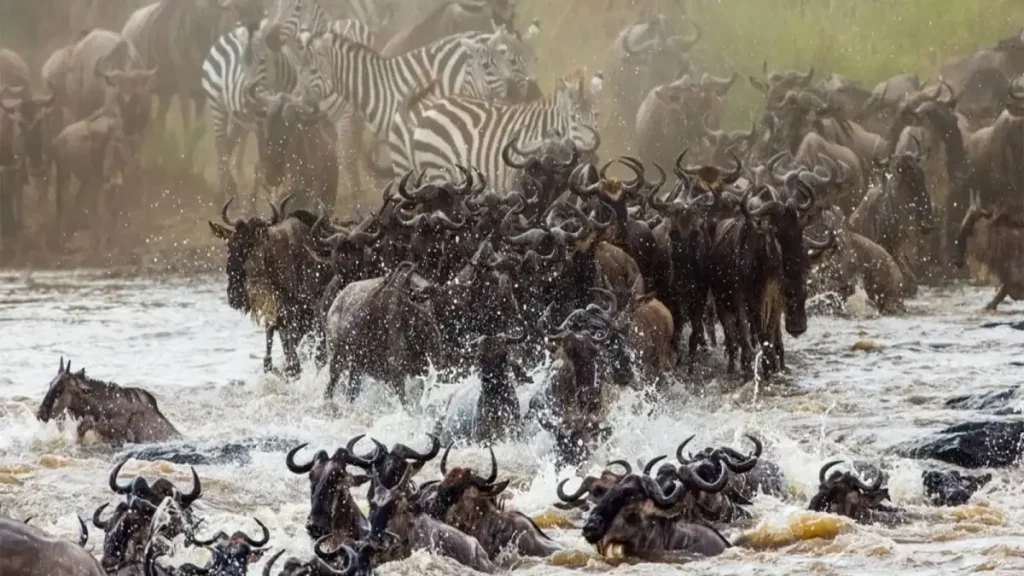
July is one of Kenya’s most popular safari months.
The main dry season is underway in many wildlife areas, and the Maasai Mara begins attracting
large numbers of travelers interested in the Great Wildebeest Migration.
Large herds of wildebeest and zebra may move into the wider Mara ecosystem from Tanzania.
This movement can attract predators including lions, cheetahs and hyenas.
July can be particularly suitable for:
• Great Migration safaris
• General wildlife viewing
• Big-cat safaris
• Photography
• Family safaris
• First-time visitors
Popular camps and lodges may have limited availability during this period.
Travelers planning a July safari should therefore consider arranging accommodation well in
advance.
It is also important to remember that migration timing changes according to rainfall, grazing and
natural herd movements.
Kenya Safari in August

August is one of the most requested months for a Kenya safari.
Large migration herds are often expected within the wider Maasai Mara ecosystem during this
period.
Travelers may have opportunities to observe large concentrations of wildebeest, zebras and other
herbivores.
Predator activity can also be rewarding because lions, cheetahs, leopards and hyenas live
throughout the ecosystem.
Many travelers visit hoping to witness a Mara River crossing.
However, river crossings cannot be guaranteed.
Mara Conservancy explains that crossings occur during migration season but remain difficult to
predict. Travelers should stay inside safari vehicles, avoid unnecessary noise and never interfere
with moving herds.
Weather can also influence herd movements significantly.
In August 2025, for example, Mara Conservancy reported that unusually heavy rainfall caused
large numbers of wildebeest to move back toward Tanzania before conditions changed again.
This is why a responsible safari operator should never promise that a river crossing will happen
on a specific date.
A longer Maasai Mara stay provides more opportunities while allowing guests to enjoy the wider
wildlife experience even if a crossing does not occur.
Kenya Safari in September
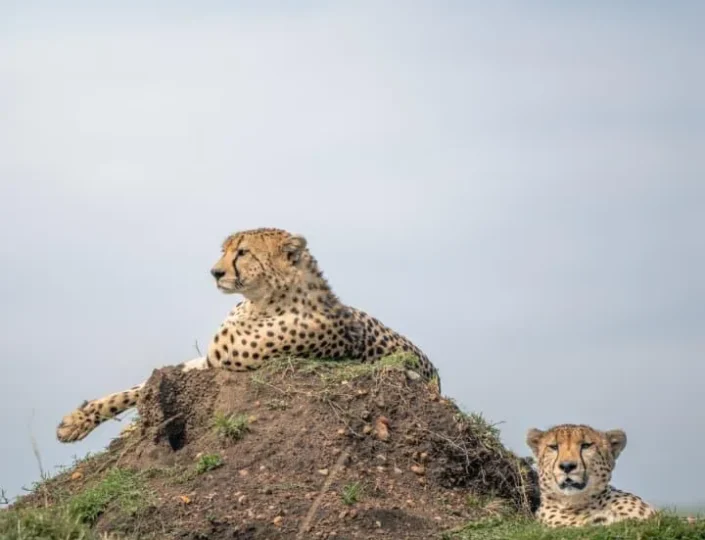
September can provide excellent wildlife viewing in Kenya.
Conditions generally remain dry in many safari destinations, and migration herds may still be
present within the Maasai Mara ecosystem.
The month can be particularly rewarding for travelers interested in:
• Big cats
• Migration wildlife
• Photography
• Elephants
• General game viewing
• Luxury safari experiences
September remains a popular travel period, particularly in the Maasai Mara.
Accommodation should therefore be booked early when possible.
Natural conditions can still influence migration movements.
Rainfall may cause herds to move between Kenya and Tanzania rather than remaining
permanently in one area throughout the month.
Kenya Safari in October
October sits between the main dry season and the period when short rains may begin.
Wildlife viewing can remain excellent.
Migration herds may still be found within the wider Mara ecosystem, particularly during the
earlier part of the month, although the exact timing varies each year.
As rainfall gradually returns, landscapes can begin changing from dry grasslands to greener
scenery.
October can be suitable for:
• Wildlife viewing
• Photography
• Couples
• Honeymoons
• Great Migration experiences when herds remain
• Travelers interested in combining safari and beach
The month can provide a useful transition between peak migration travel and the greener months
that follow.
Kenya Safari in November
November is generally associated with Kenya’s short-rains period.
The arrival of rainfall can transform safari landscapes.
Grass becomes greener, vegetation begins recovering and many destinations take on a very
different appearance from the dry season.
November can be particularly rewarding for birdwatchers.
Resident birds remain present throughout the year, while seasonal movements can increase the
diversity of species encountered in different wetlands, forests, grasslands and coastal areas.
A November safari can offer:
• Green landscapes
• Fewer visitors
• Birdwatching
• Wildlife photography
• Good general wildlife viewing
• Quieter camps
• Safari-and-beach opportunities
Rainfall varies between regions and does not necessarily continue throughout the entire day.
Travelers should nevertheless prepare for changing conditions.
Kenya Safari in December
December can be an excellent time to visit Kenya.
The landscapes may remain green following the short rains, while wildlife viewing continues
across many safari destinations.
The second half of December becomes particularly popular because of Christmas and New Year
holidays.
Families and international travelers often plan safari-and-beach journeys during this period.
December can work well for:
• Family safaris
• Couples
• Birdwatching
• Wildlife photography
• Maasai Mara safaris
• Amboseli safaris
• Safari-and-beach holidays
Travelers planning to visit during Christmas or New Year should book accommodation and
transportation early because popular lodges and camps may have limited availability.
Best Time to Visit the Maasai Mara

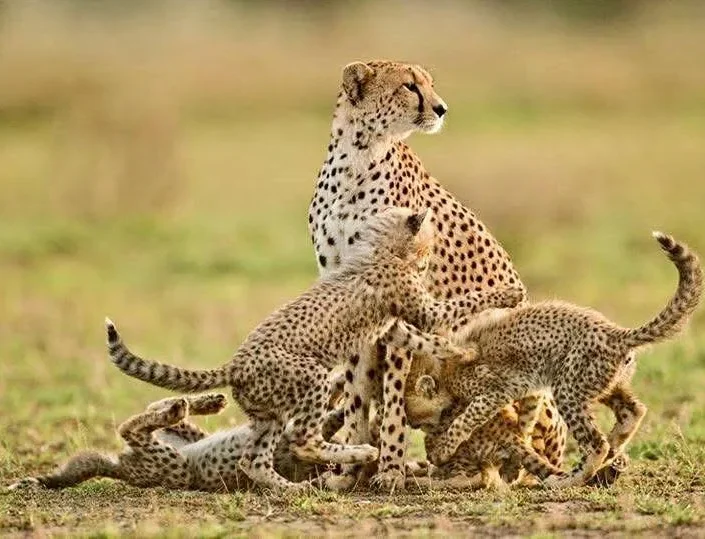


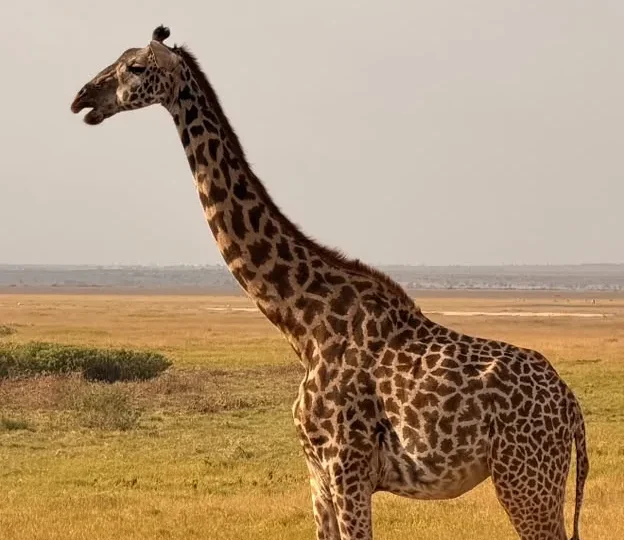

The Maasai Mara can be visited throughout the year.
Travelers interested specifically in the Great Wildebeest Migration usually focus on the period
from approximately July through October, although herd movements can begin earlier or
continue later depending on natural conditions.
Mara Conservancy states that migration usually begins around June or July and can continue
until November.
July, August and September are especially popular.
However, the Maasai Mara is not only a migration destination.
Resident wildlife remains throughout the year, including:
• Lions
• Leopards
• Cheetahs
• Elephants
• Buffaloes
• Giraffes
• Zebras
• Hyenas
• Antelopes
• Numerous bird species
Travelers who visit outside migration season can therefore still enjoy rewarding game drives.
Specific wildlife sightings cannot be guaranteed.
Best Time to Visit Amboseli National Park
Amboseli can be visited throughout the year.
The relatively drier periods are particularly popular because wildlife may gather around wetlands
and reliable water sources.
January and February and the months from approximately June to October can provide good
safari conditions.
Amboseli is especially known for its elephants and views toward Mount Kilimanjaro.
Early mornings can sometimes provide clearer views of the mountain before cloud develops,
although visibility depends entirely on weather conditions.
Greener months can also provide beautiful photography as fresh vegetation contrasts with the
surrounding landscape.
Best Time to Visit Samburu
Samburu provides a very different safari environment from the Maasai Mara.
The landscape is generally drier and more rugged, with wildlife concentrated around important
riverine habitats.
Drier periods can make wildlife viewing particularly rewarding.
Travelers may search for species associated with northern Kenya, including:
• Grevy’s zebra
• Reticulated giraffe
• Gerenuk
• Beisa oryx
• Somali ostrich
Samburu can be combined with Laikipia, Ol Pejeta, Mount Kenya or the Maasai Mara.
Best Time to Visit Lake Nakuru

Lake Nakuru National Park can be included in Kenya safari itineraries throughout the year.
The park combines lake habitats, woodland and grasslands within a relatively compact area.
Travelers may encounter:
• Rhinos
• Buffaloes
• Giraffes
• Lions
• Waterbirds
• Eagles
• Pelicans
• Flamingos when conditions are suitable
Drier months can provide easier road conditions, while greener periods offer attractive
landscapes and birding opportunities.
Lake Nakuru is also conveniently positioned for itineraries connecting Nairobi, Lake Naivasha
and the Maasai Mara.
Best Time to Visit Tsavo

Tsavo East and Tsavo West can be rewarding throughout much of the year.
Drier periods may make wildlife easier to locate around permanent water sources.
The region is particularly useful for travelers planning a safari-and-beach holiday because
Tsavo can be combined with Kenya’s Indian Ocean coast.
Possible combinations include:
• Tsavo East + Watamu
• Tsavo East + Diani
• Amboseli + Tsavo + coast
• Tsavo West + Mombasa
• Amboseli + Tsavo East + Diani
Travel times and routing should be planned carefully according to the chosen accommodation
and coastal destination.
Suggested 7-Day Kenya Safari
A seven-day itinerary can provide a useful introduction to several of Kenya’s most popular
wildlife areas.
Day 1: Nairobi to Amboseli
Travel from Nairobi to Amboseli National Park.
After arriving at your lodge or camp, enjoy an afternoon game drive.
Look for elephants, giraffes, buffaloes, antelopes and other wildlife.
When conditions are clear, Mount Kilimanjaro may be visible beyond the park.
Day 2: Amboseli Safari
Begin with an early-morning game drive.
Explore different habitats while searching for wildlife around the plains, wetlands and woodland
areas.
Return to your accommodation during the warmer part of the day before another afternoon
wildlife experience.
Day 3: Amboseli to Lake Naivasha
Leave Amboseli and travel toward the Great Rift Valley.
After arriving at Lake Naivasha, relax or join a boat excursion depending on the itinerary.
Birds, hippos and other wildlife may be observed around the lake.
Day 4: Lake Naivasha to Lake Nakuru
Continue to Lake Nakuru National Park.
Explore woodland, grassland and lakeshore habitats while looking for rhinos, giraffes, buffaloes,
birds and other wildlife.
Stay overnight in or near the park.
Day 5: Lake Nakuru to Maasai Mara
Travel toward the Maasai Mara.
After arriving at your camp or lodge, enjoy an afternoon game drive if time allows.
Day 6: Maasai Mara Safari
Spend the day exploring the Maasai Mara.
Search for lions, elephants, giraffes, buffaloes, cheetahs and other wildlife.
During migration season, wildebeest and zebra herds may also be present.
Specific sightings cannot be guaranteed.
Day 7: Maasai Mara to Nairobi
Enjoy a final morning activity depending on the itinerary before returning to Nairobi.
The safari can also be extended to Samburu, Laikipia, Mount Kenya or Kenya’s Indian Ocean
coast.
The itinerary can be shortened, extended or adjusted according to travel dates, budget and
wildlife interests.
Tips for Choosing Your Safari Dates
Decide which wildlife experiences matter most before choosing your travel month.
Book early if travelling during July, August, September or the Christmas and New Year period.
Allow several days in important wildlife destinations rather than rushing between many parks.
Prepare for cool early mornings and warmer afternoons.
Kenya Wildlife Service recommends adaptable clothing, comfortable shoes, a hat, sunglasses,
insect repellent, binoculars and other practical safari essentials.
Use a suitable four-wheel-drive safari vehicle, particularly during periods when roads may
become wet.
Do not plan your entire safari around one individual animal or one migration event.
Wildlife moves naturally and sightings cannot be guaranteed.
Most importantly, choose an itinerary according to the season rather than expecting every
destination to provide exactly the same experience throughout the year.
Why Choose Hideaway Safaris?

Planning a Kenya safari requires more than simply choosing a month.
Weather conditions, wildlife movements, accommodation, driving distances, park access and
individual travel interests all affect the experience.
Hideaway Safaris can create a personalized Kenya safari itinerary based on your preferred travel
dates, budget and wildlife interests.
Travelling with Hideaway Safaris can include:
• Personalized Kenya safari itineraries
• Experienced safari driver-guides
• Private safari transportation
• Carefully selected camps and lodges
• Maasai Mara safaris
• Great Migration itineraries
• Amboseli safaris
• Samburu and northern Kenya journeys
• Lake Nakuru and Lake Naivasha combinations
• Tsavo safaris
• Birdwatching experiences
• Photography-focused safaris
• Family safari itineraries
• Honeymoon safaris
• Safari-and-beach combinations
• Fly-in safari arrangements
• Local assistance throughout your journey
Every itinerary can be adjusted according to the traveler’s preferred season, available time and
style of safari.
Plan Your Kenya Safari in 2026
The best time to visit Kenya for safari depends on the experience you want to create.
July, August and September can bring migration activity and classic dry-season wildlife viewing.
January and February can offer excellent general safari conditions.
April and May transform the landscape into greener scenery with fewer visitors.
June provides an interesting transition toward the dry season, while November can be rewarding
for birdlife and photography.
December combines wildlife experiences with the possibility of a safari-and-beach holiday
during the festive travel season.
Kenya’s wildlife does not follow a tourism calendar, and weather patterns can change from year
to year.
That unpredictability is part of experiencing animals in a natural environment.
Whether you want to follow the Great Migration through the Maasai Mara, photograph elephants
beneath Mount Kilimanjaro, explore Samburu’s northern landscapes or combine a safari with
Kenya’s Indian Ocean coast, choosing the right season can make the journey more rewarding.
Contact Hideaway Safaris to plan a personalized Kenya safari in 2026 based on your travel
dates, wildlife interests, budget and preferred destinations.