Mount Kenya Climbing Packages: Routes, Costs and Best Trekking Options
Did you know that Mount Kenya is Africa’s second-highest mountain and offers some of the continent’s most rewarding trekking experiences? By choosing from various Mount Kenya climbing packages, travelers can explore dramatic valleys, alpine moorlands, high-altitude lakes and rugged mountain scenery while making their way toward Point Lenana, the mountain’s most popular trekking summit.
Unlike a traditional wildlife safari, climbing Mount Kenya is a journey that changes with every day. Forest trails gradually give way to open moorlands, rocky ridges and high-altitude landscapes where the temperatures become cooler and the views increasingly dramatic.
Travelers can choose between different routes, including Sirimon, Chogoria and Naro Moru, with itineraries ranging from shorter climbs to longer journeys designed to provide more time for acclimatization.
For travelers who want to combine adventure, scenery and physical challenge, Mount Kenya offers a very different way to experience Kenya.
Why Climb Mount Kenya?
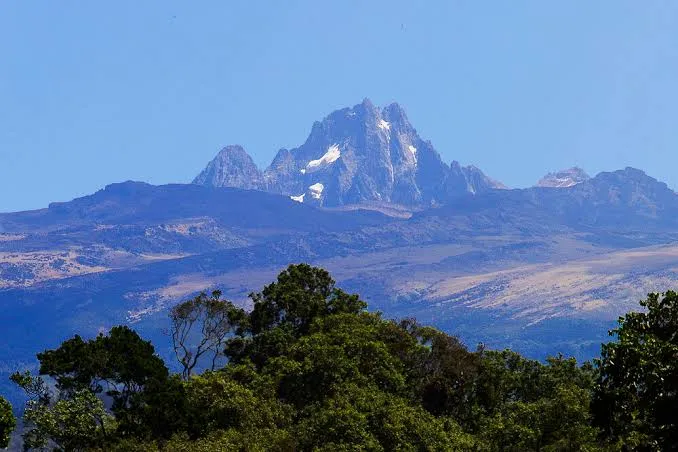
Mount Kenya offers much more than reaching a summit.
The mountain contains a variety of landscapes, beginning with forest at lower elevations before
passing through bamboo zones, heath and moorland and eventually reaching the rocky high
altitude environment around the main peaks.
A Mount Kenya climb can be suitable for:
• Adventure travelers
• Hiking enthusiasts
• Couples
• Small groups
• Photographers
• Nature lovers
• Travelers looking for an active Kenya holiday
• Visitors combining trekking with a wildlife safari
For many trekkers, the main objective is Point Lenana, which can be reached without technical
mountaineering equipment under suitable conditions.
The mountain’s two highest peaks, Batian and Nelion, require technical climbing experience and
specialized equipment and are very different objectives from a normal trekking itinerary.
How High Is Mount Kenya?
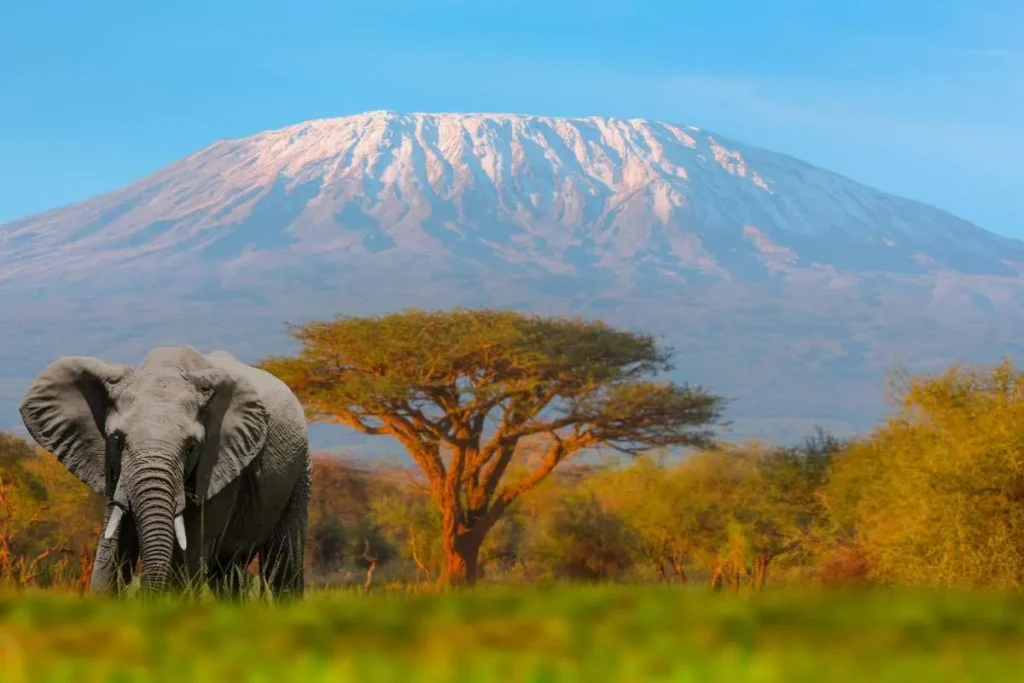
Mount Kenya reaches approximately 5,199 metres above sea level at Batian, its highest peak.
The three best-known peaks are:
• Batian – approximately 5,199 metres
• Nelion – approximately 5,188 metres
• Point Lenana – approximately 4,985 metres
Most standard Mount Kenya climbing packages are designed around reaching Point Lenana.
Batian and Nelion involve technical rock climbing and should only be attempted by
appropriately experienced climbers with specialized guides and equipment.
Reaching Point Lenana is still physically demanding because of the altitude, cold temperatures
and long trekking days.
Proper preparation and sufficient time for acclimatization are important.
Best Mount Kenya Climbing Routes
There are several routes used to explore Mount Kenya.
The best option depends on the traveler’s fitness level, available time, preferred scenery and
previous trekking experience.
1. Sirimon Route
The Sirimon Route is one of the most popular ways to approach Point Lenana.
It begins on the northwestern side of Mount Kenya and gradually climbs through forest, heath
and moorland.
Many trekkers appreciate the route because its gradual ascent can work well within itineraries
that allow sufficient time for acclimatization.
A Sirimon Route climb may include:
• Forest and moorland scenery
• Wide mountain views
• High-altitude valleys
• Mountain huts or camps
• Opportunities for photography
• Gradual altitude gain
• Access toward Point Lenana
The Sirimon Route is frequently combined with Chogoria so travelers ascend using one
landscape and descend through another.
2. Chogoria Route
The Chogoria Route is often considered one of Mount Kenya’s most scenic trekking routes.
The landscape includes dramatic valleys, lakes, rocky cliffs and high-altitude scenery.
Travelers may encounter features such as Lake Michaelson and views across some of the
mountain’s striking valleys, depending on the exact itinerary.
The Chogoria Route can be ideal for travelers interested in:
• Mountain photography
• Dramatic scenery
• Longer trekking itineraries
• Alpine lakes and valleys
• Combining two different routes
Some climbers ascend via Sirimon and descend through Chogoria, creating a varied journey
across different parts of the mountain.
3. Naro Moru Route
The Naro Moru Route is one of the most direct routes toward Point Lenana.
Because of its shorter and more direct nature, some itineraries using this route can be completed
faster than longer Sirimon-Chogoria combinations.
However, climbing quickly can provide less time for acclimatization.
Sections of the route can also become wet and muddy, particularly around the area traditionally
known as the Vertical Bog.
The Naro Moru Route may suit travelers who:
• Have limited time
• Prefer a more direct route
• Are physically well prepared
• Understand the importance of acclimatization
• Want to combine the climb with another Kenya experience
A longer itinerary is generally more comfortable for travelers who want additional time to adjust
to altitude.
Sirimon vs Chogoria vs Naro Moru
Choosing between the routes depends on what kind of trekking experience you want.
Sirimon
Often chosen for a gradual approach and open mountain scenery.
Chogoria
Popular with travelers who prioritize dramatic landscapes, valleys and lakes.
Naro Moru
A more direct route that can suit shorter itineraries but may involve steeper or wetter sections.
Many trekkers choose to ascend using Sirimon and descend through Chogoria.
This allows them to experience two sides of the mountain rather than following exactly the same
trail in both directions.
How Many Days Do You Need to Climb Mount Kenya?
Mount Kenya trekking packages vary according to route and the amount of time available for
acclimatization.
Common itineraries may range from approximately four to six days or longer.
4-Day Mount Kenya Climb
A shorter itinerary may work for experienced and well-prepared trekkers.
However, the faster ascent provides less time for the body to adjust to altitude.
This should be considered carefully.
5-Day Mount Kenya Climb
Five days can provide a more balanced itinerary for many trekkers.
The additional time allows the journey to progress at a more comfortable pace.
6-Day Mount Kenya Climb
A longer itinerary can provide additional acclimatization time and more opportunities to
appreciate the mountain scenery.
It can be particularly attractive for travelers interested in photography or a less rushed trekking
experience.
The best itinerary should be selected according to fitness, previous altitude experience, route and
available travel time.
How Difficult Is Climbing Mount Kenya?
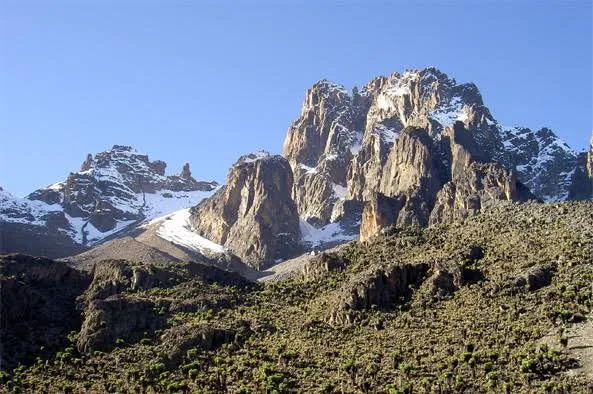
Climbing to Point Lenana does not normally require technical mountaineering skills, but that
does not mean the trek is easy.
Travelers should expect:
• Long trekking days
• Steep sections
• Uneven terrain
• Cold temperatures
• High altitude
• Changing weather
• Early-morning summit attempts
• Physical fatigue
Altitude is one of the most important considerations.
Even physically fit travelers can experience symptoms of altitude sickness.
A slower itinerary can help the body adapt, but no itinerary can completely eliminate the risk.
Trekkers should inform their guide if they experience unusual headaches, dizziness, nausea,
extreme fatigue or other symptoms while climbing.
Reaching the summit should never be considered more important than personal safety.
Do You Need Technical Climbing Experience?
For most Point Lenana trekking itineraries, previous technical climbing experience is not
required.
However, travelers should have a reasonable level of fitness and should prepare before the trip.
Walking, hiking, stair climbing and cardiovascular training can help prepare the body for long
days on the trail.
Batian and Nelion are different.
These peaks require technical climbing skills, equipment and specialist guides.
Travelers booking a normal Mount Kenya trekking package should confirm whether the itinerary
targets Point Lenana or one of the technical peaks.
Best Time to Climb Mount Kenya
Mount Kenya can be visited at different times of the year, but weather conditions vary.
Drier periods generally provide more comfortable trekking conditions, while wetter periods can
make trails muddy and increase the possibility of rain or cloud.
Conditions on the mountain can change quickly regardless of the season.
Cold temperatures, wind, rain and mist can occur at higher elevations.
Travelers should therefore pack for different conditions rather than assuming that Kenya’s
generally warm climate will continue throughout the climb.
Your preferred dates, route and overall Kenya itinerary should be considered before confirming
the trek.
Where Do You Stay When Climbing Mount Kenya?
Accommodation on Mount Kenya differs from the camps and lodges normally associated with a
wildlife safari.
Depending on the route and package, trekkers may stay in mountain huts, tents or a combination
of both.
Mountain Huts
Some routes provide access to basic mountain huts.
Facilities are generally simple compared with safari lodges.
Travelers should expect practical accommodation designed for trekkers rather than luxury hotel
facilities.
Camping
Camping may be used on routes or sections where huts are not available or where the itinerary is
designed around tented accommodation.
A supported trekking team can assist with camp setup, meals and equipment depending on the
package selected.
Accommodation Before and After the Climb
Many travelers spend a night near Mount Kenya before beginning the trek.
This allows time to rest, meet the climbing team and prepare equipment.
After descending, travelers may also choose to stay nearby before continuing to another part of
Kenya.
Accommodation outside the mountain can range from comfortable hotels and lodges to luxury
properties.
Hideaway Safaris can recommend suitable accommodation based on your route, budget and
wider itinerary.
What Is Included in a Mount Kenya Climbing Package?
Package inclusions vary according to itinerary and operator.
A typical supported trek may include some combination of:
• Professional mountain guide
• Porters
• Cook
• Park arrangements
• Mountain accommodation or camping
• Meals during the trek
• Transport to and from the trailhead
• Route planning
• Emergency support arrangements
• Drinking-water arrangements
• Pre-climb briefing
Travelers should confirm exactly what is included before booking.
Some items such as personal trekking equipment, travel insurance, tips, drinks, extra
accommodation and specialist gear may not be included.
How Much Do Mount Kenya Climbing Packages Cost?
The cost of a Mount Kenya climbing package depends on several factors.
These include:
• Number of trekking days
• Route selected
• Group size
• Private or shared arrangements
• Number of guides and porters
• Camping or hut accommodation
• Transport
• Equipment requirements
• Accommodation before and after the trek
• Additional safari extensions
A shorter climb may cost less than a longer itinerary, but price should not be the only
consideration.
Allowing sufficient time for acclimatization, choosing experienced guides and using appropriate
support services can be more important than selecting the shortest possible itinerary.
Hideaway Safaris can provide a personalized quote according to the route, dates and number of
travelers.
Can Beginners Climb Mount Kenya?
Travelers without previous high-altitude trekking experience may still be able to reach Point
Lenana if they are physically prepared and choose an appropriate itinerary.
Beginners should avoid treating the climb as an ordinary walk.
Training before travelling is recommended.
A longer route can also provide more time to adjust to increasing altitude.
Good preparation may include:
• Regular walking
• Longer weekend hikes
• Cardiovascular exercise
• Stair climbing
• Strength training
• Carrying a daypack during training hikes
Travelers with health concerns should seek appropriate medical advice before undertaking a
high-altitude trek.
Mount Kenya for Photographers
Mount Kenya offers excellent landscape photography opportunities.
The scenery can change dramatically between lower forests and the high-altitude environment.
Photographers may encounter:
• Mountain valleys
• Alpine vegetation
• Lakes
• Rocky peaks
• Sunrise views
• Cloud formations
• Forest scenery
• Dramatic ridgelines
Cold temperatures can affect battery performance, so carrying spare batteries can be useful.
Camera equipment should also be protected from rain, dust and sudden temperature changes.
Travelers carrying heavy photographic equipment should discuss porter arrangements when
planning the trek.
Responsible Mount Kenya Trekking
Responsible trekking helps protect the mountain environment.
Travelers should follow instructions from guides and park authorities.
Good practices include:
• Stay on established trails
• Carry waste out where required
• Avoid leaving plastic or food packaging
• Do not disturb wildlife
• Avoid damaging plants
• Use designated campsites
• Follow fire regulations
• Respect water sources
• Listen to local guides
• Respect other trekkers
Porters and support teams also play an important role in the climbing experience.
Travelers should choose properly organized climbs where staff are treated professionally and
provided with appropriate working conditions.
Suggested 5-Day Sirimon–Chogoria Mount Kenya Climb
Day 1: Transfer to Mount Kenya and Begin the Trek
Travel from Nairobi or another starting point toward Mount Kenya.
Meet your guide and trekking team before beginning the climb.
The first section normally passes through lower-altitude vegetation before reaching your first
overnight stop.
Enjoy dinner and rest in preparation for the following day.
Day 2: Continue Toward the High Moorlands
After breakfast, continue climbing gradually through changing mountain landscapes.
As altitude increases, vegetation becomes lower and the views begin to open.
Walk at a comfortable pace and drink enough water.
Spend the night at the next camp or mountain hut.
Day 3: Acclimatization and High-Altitude Trekking
Continue deeper into the high-altitude environment.
This stage provides an opportunity for the body to adjust while travelers enjoy increasingly
dramatic scenery.
Depending on the exact itinerary, the day may include shorter walks or additional acclimatization
time.
Rest early before the summit attempt.
Day 4: Point Lenana and Descent
Wake very early and begin the final ascent toward Point Lenana.
The goal is often to reach the summit area around sunrise, depending on trail and weather
conditions.
After reaching Point Lenana, take time to enjoy the views before beginning the descent.
Continue toward the Chogoria side of the mountain and spend the night at a lower elevation.
Reaching Point Lenana depends on weather, health, altitude and trail conditions and should
never be guaranteed.
Day 5: Complete the Descent
After breakfast, continue descending through changing vegetation toward the end of the trail.
Meet your vehicle and transfer to your next destination.
Travelers may return to Nairobi or continue with a wildlife safari.
The itinerary can be adjusted according to fitness level, route, accommodation and available
time.
What Can You Combine with a Mount Kenya Climb?
A Mount Kenya climb can easily form part of a longer Kenya holiday.
After several days of trekking, many travelers choose to continue with a safari or beach
experience.
Possible combinations include:
Mount Kenya + Ol Pejeta Conservancy
Combine mountain trekking with wildlife viewing in the Laikipia region.
Mount Kenya + Samburu
Continue north for a safari through Samburu’s dry landscapes and riverine habitats.
Mount Kenya + Maasai Mara
After the climb, fly or travel onward for classic game viewing in the Maasai Mara.
Mount Kenya + Lake Nakuru
Combine trekking with Great Rift Valley scenery and wildlife.
Mount Kenya + Amboseli
Continue south for elephant viewing and landscapes associated with Mount Kilimanjaro.
Mount Kenya + Diani Beach
Finish the adventure with several relaxing days on Kenya’s Indian Ocean coast.
Mount Kenya + Watamu
Combine the mountain with a beach holiday, marine experiences and coastal relaxation.
This can create a varied Kenya itinerary combining trekking, wildlife and the coast.
Tips for a Better Mount Kenya Climb
Prepare physically before travelling.
Choose an itinerary that provides adequate time rather than automatically selecting the shortest
climb.
Drink water regularly.
Walk slowly, especially as altitude increases.
Listen to your guide.
Inform the guide immediately if you feel unwell.
Wear comfortable boots.
Carry warm and waterproof clothing.
Protect yourself from the sun even when temperatures feel cool.
Keep important personal items in your daypack.
Avoid placing pressure on yourself to reach the summit if conditions are unsafe.
The mountain will still be there another day.
Why Choose Hideaway Safaris?
Planning a Mount Kenya climb requires coordination between routes, guides, support teams,
transport, accommodation and the wider Kenya itinerary.
Hideaway Safaris can create personalized Mount Kenya climbing packages according to your
travel dates, fitness level, preferred route and available time.
Travelling with Hideaway Safaris can include:
• Personalized Mount Kenya climbing itineraries
• Experienced mountain guides
• Porter and support-team arrangements
• Sirimon Route treks
• Chogoria Route treks
• Naro Moru Route options
• Point Lenana trekking itineraries
• Transport from Nairobi
• Pre- and post-climb accommodation
• Safari extensions
• Ol Pejeta combinations
• Samburu extensions
• Maasai Mara safaris
• Safari-and-beach holidays
• Personalized local assistance
The itinerary can be adapted for individual travelers, couples, families, private groups or
travelers combining the mountain with a longer Kenya journey.
Plan Your Mount Kenya Climbing Adventure
A Mount Kenya climbing package offers the opportunity to experience a side of Kenya that is
very different from the country’s famous safari plains.
The journey begins among forests and gradually climbs through moorlands, valleys and
increasingly dramatic high-altitude landscapes.
Reaching Point Lenana can be a memorable achievement, but the experience is about more than
standing at the summit.
It is about the changing scenery, the challenge of the trail, the support of your mountain team and
the satisfaction of exploring one of Africa’s most remarkable mountain environments.
Whether you choose Sirimon, Chogoria, Naro Moru or a combination of routes, careful planning
can make the journey safer, more comfortable and more rewarding.
Contact Hideaway Safaris to plan a personalized Mount Kenya climbing package
combining professional local support, carefully selected routes and unforgettable mountain
scenery.