Kigali Genocide Memorial: A Profound Rwanda Historical Site
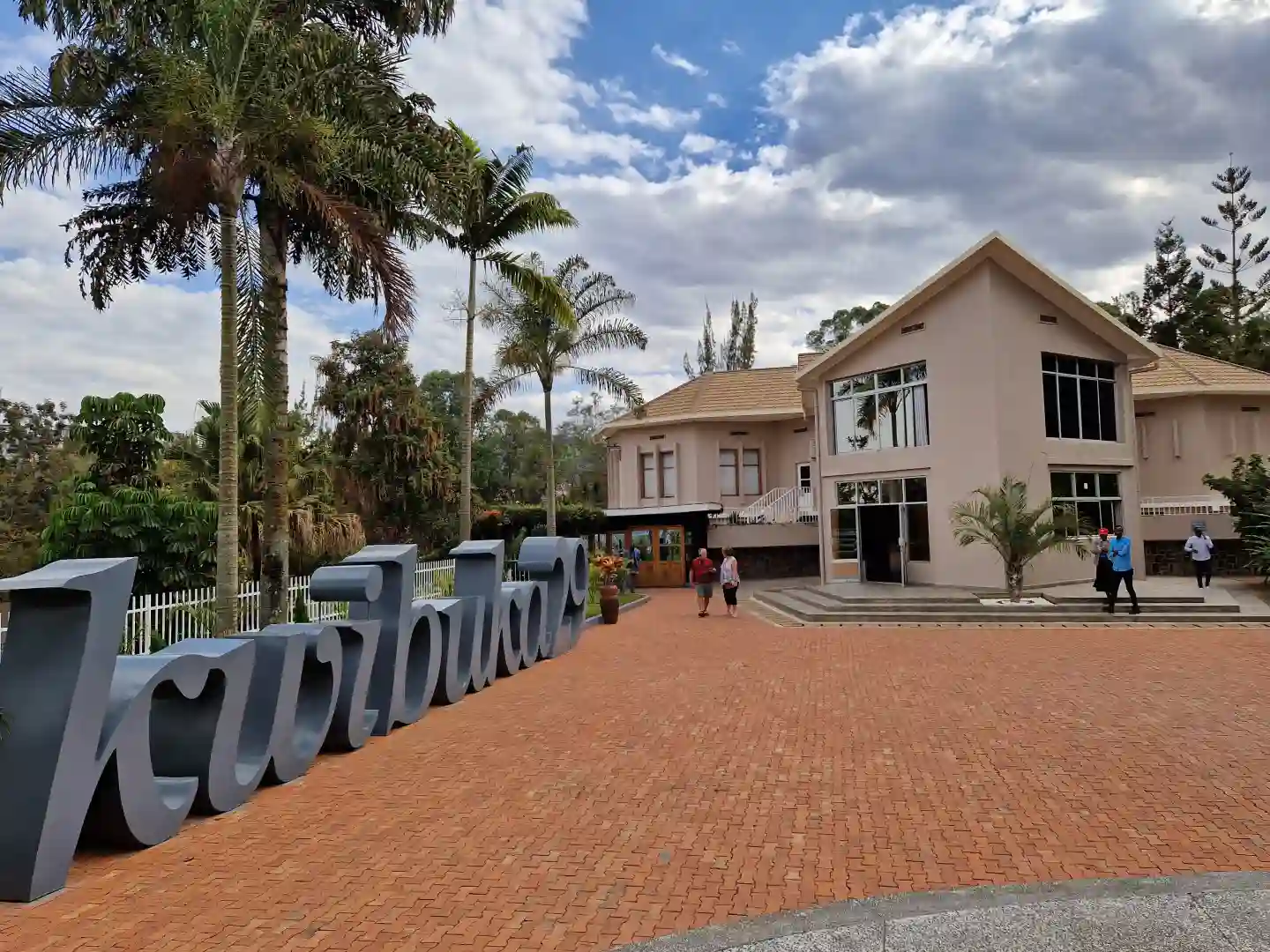
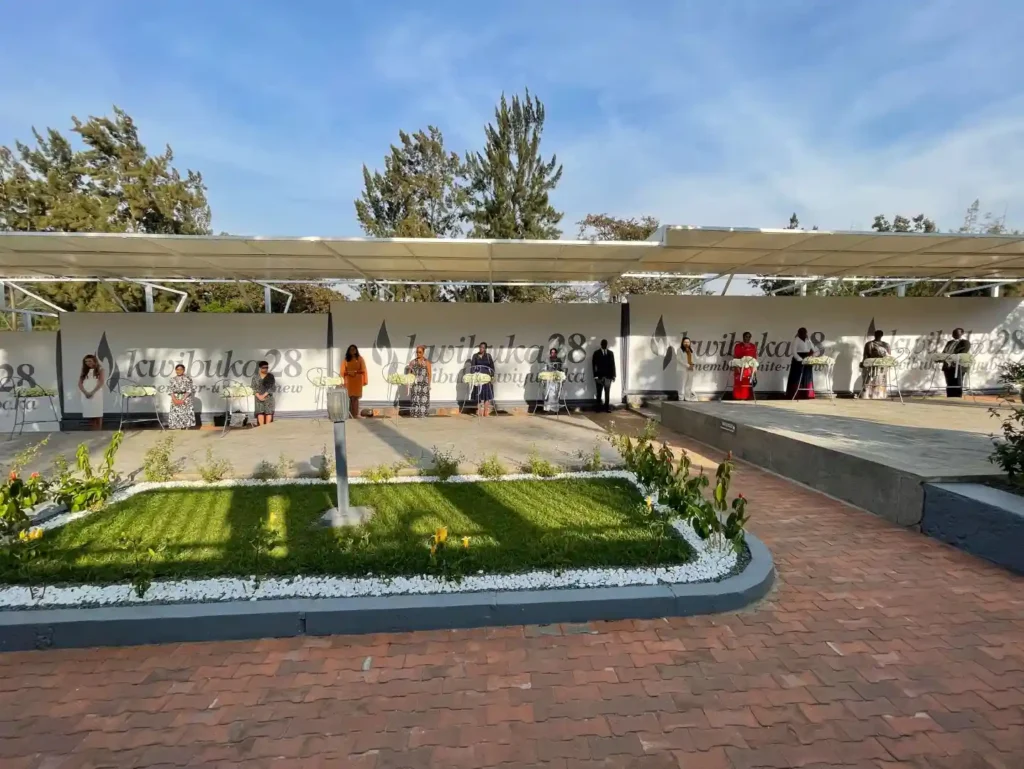
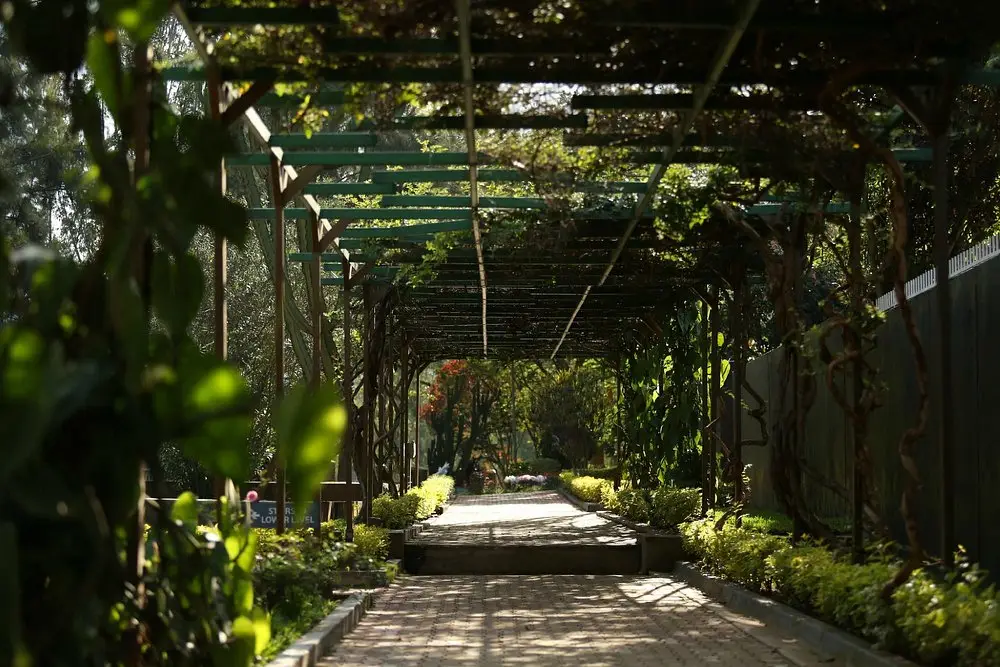
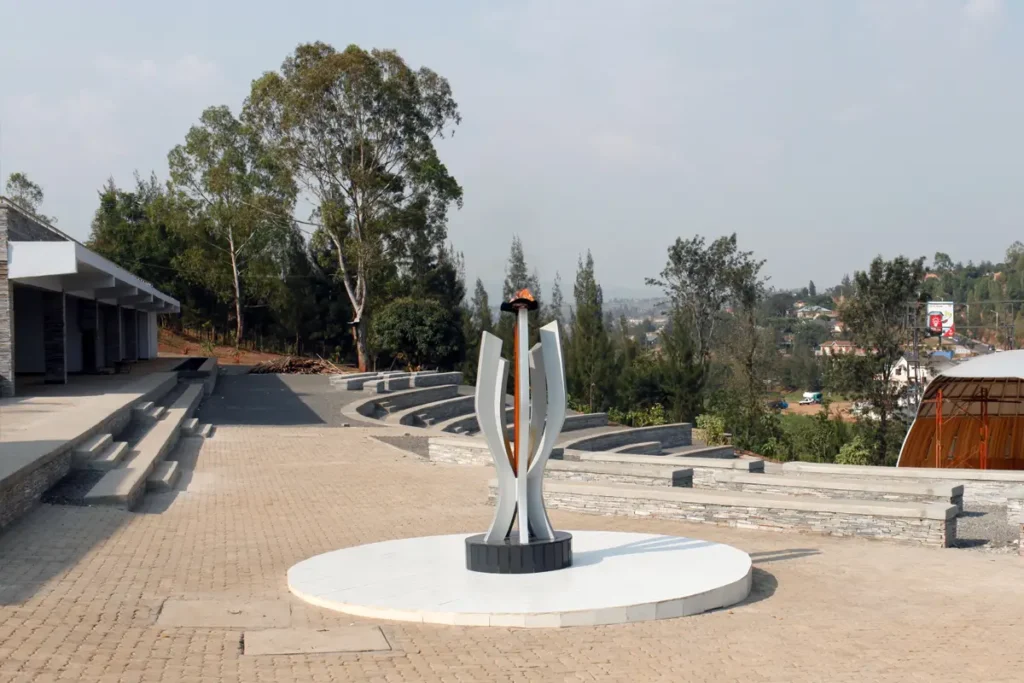
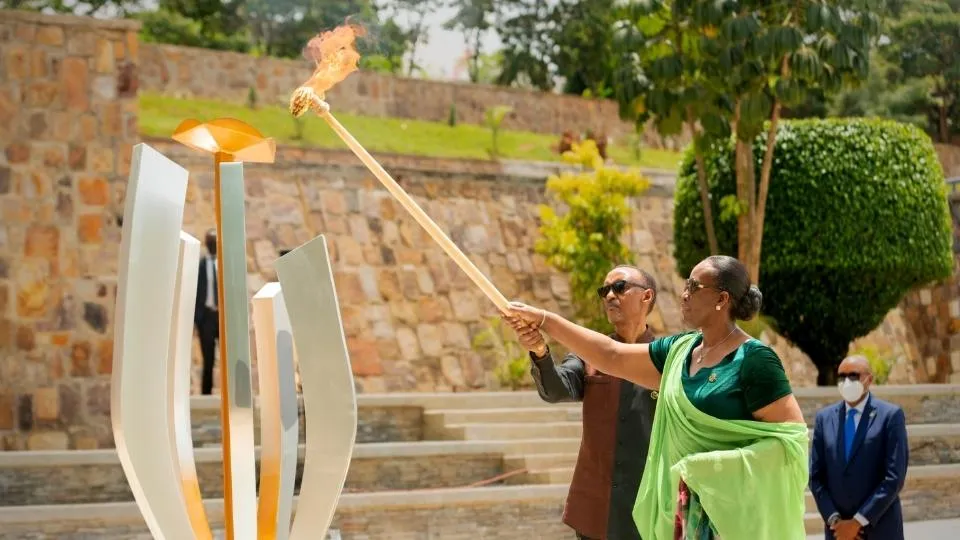
The Kigali Genocide Memorial stands as one of Rwanda’s most significant historical sites, a solemn tribute to the victims of the 1994 Genocide against the Tutsi. Located in Gisozi, just 10 minutes from central Kigali, this memorial serves not only as a resting place for over 250,000 victims but also as an educational center that promotes peace, unity, and reconciliation.
Kigali Genocide Memorial History
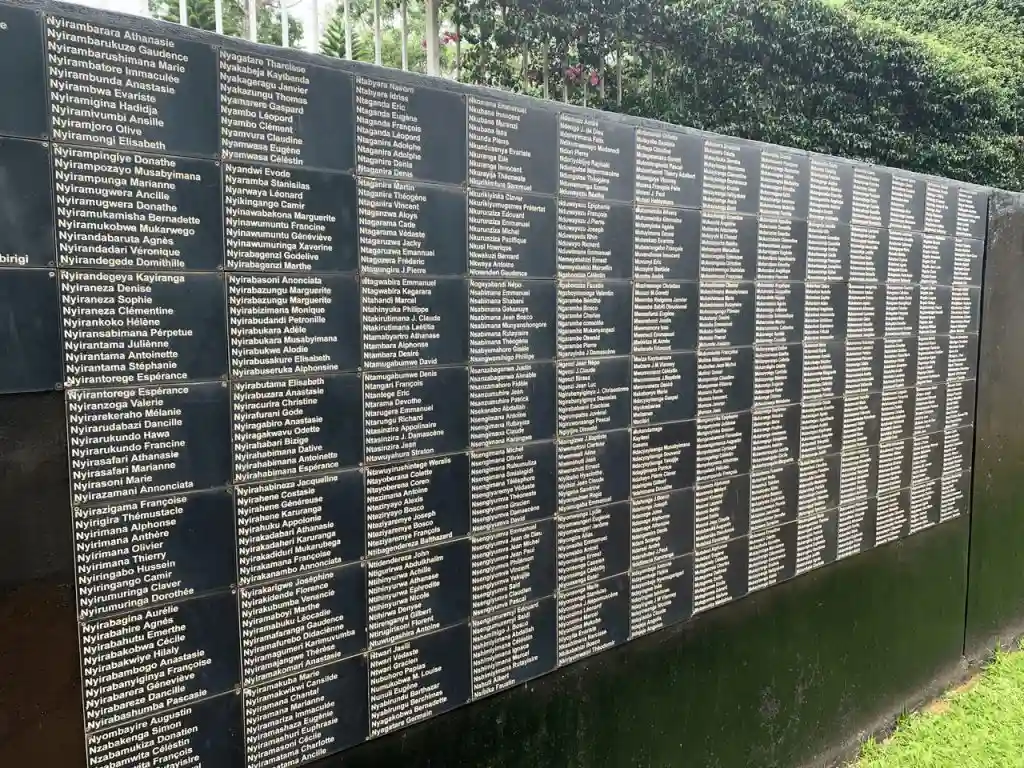
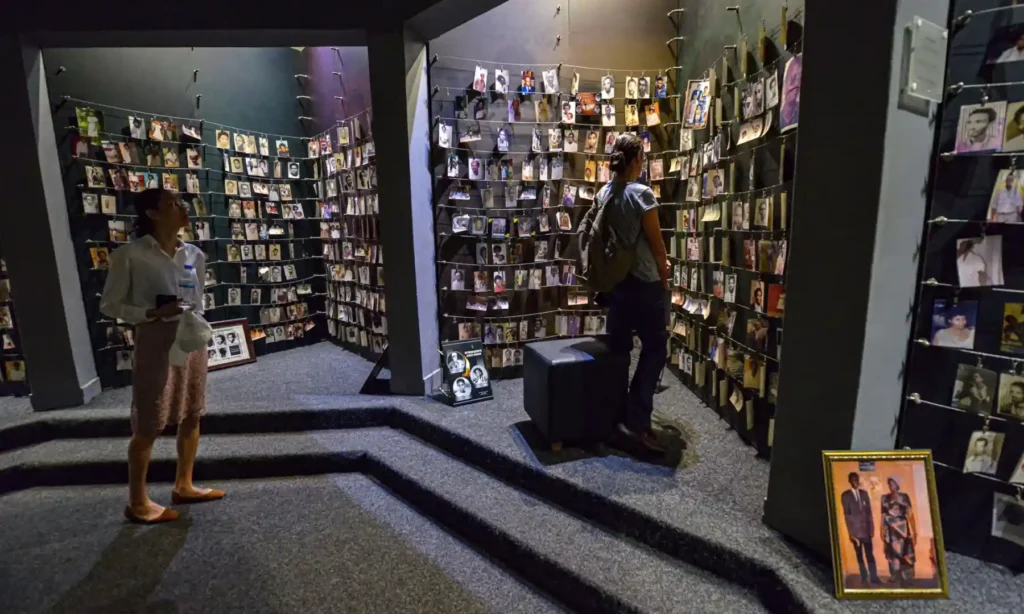
Opened in 2004 on the 10th anniversary of the genocide, the Kigali Genocide Memorial in Rwanda is a place of remembrance and learning. The genocide claimed the lives of over 800,000 people in just 100 days, and this site was built to preserve the memory of the victims and educate future generations about the dangers of hatred, intolerance, and violence. The memorial includes mass graves, a museum, and a wall of names, many of which are still being added as more victims are identified.
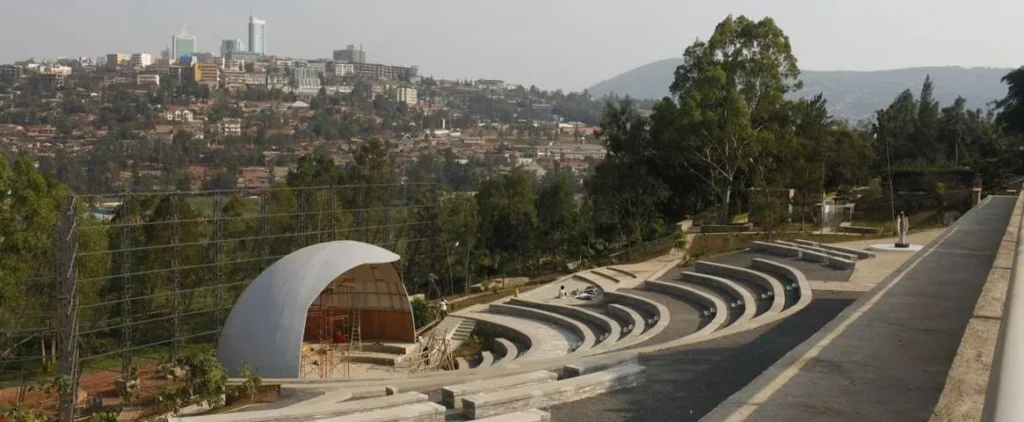
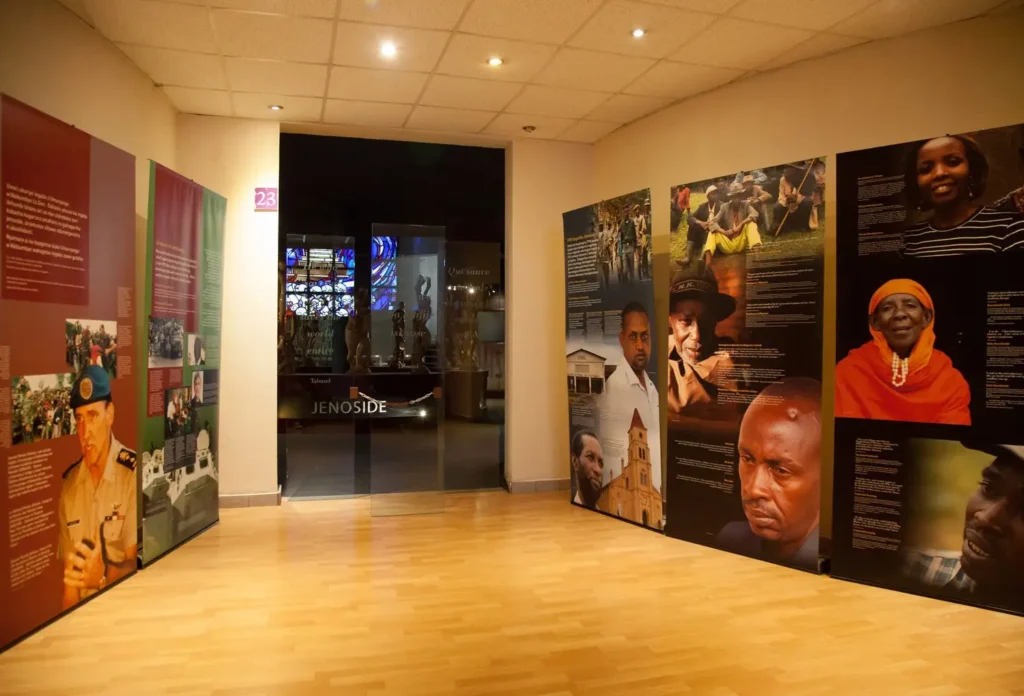
The center is managed by the Aegis Trust, an international organization dedicated to preventing genocide and crimes against humanity. It offers exhibitions with graphic images, survivor testimonies, and historical context that explain the origins and aftermath of the genocide.
Entrance Fee and Visitor Information
Visiting the Kigali Genocide Memorial is free, but donations are highly encouraged to support its maintenance and educational programs. The suggested donation for international visitors is $25 USD, which includes an audio guide. Guided tours are also available for groups or individuals who want a deeper understanding of the memorial.
- Opening Hours: 8:00 AM to 5:00 PM (closed on public holidays)
- Audio Guide: Available in multiple languages
- Entrance Fee: Free (Suggested donation: $25 USD)
For up-to-date info, visit the official website: Kigali Genocide Memorial – Aegis Trust
Distance from Kigali Town
The Kigali Genocide Memorial is conveniently located about 3 km from the city center, making it accessible by taxi, boda-boda (motorcycle taxi), or walking for the more adventurous. Most hotels in Kigali also offer guided tours to the memorial and other attractions.
Kigali Genocide Memorial Reviews
The memorial is highly rated on platforms like TripAdvisor, Google Reviews, and Lonely Planet for its emotional depth and educational value. Visitors often describe it as “heartbreaking yet necessary,” and commend the professionalism of the exhibits and the respectfulness of the space.

“A place everyone must visit. Painful, but incredibly well presented.”
— TripAdvisor Reviewer, 2024
“It’s not just a museum, it’s a call to humanity to never forget.”
— Google Reviews
Other Rwanda Historical Sites to Explore
Rwanda is rich in history beyond the genocide memorial. If you’re exploring the country’s cultural and historical heritage, consider visiting these notable sites:
- Nyanza Royal Palace – The traditional home of Rwanda’s last monarchs in Nyanza District, which offers insight into the country’s pre-colonial kingdom era.
Visit Nyanza Royal Palace - Camp Kigali Memorial – Honors ten Belgian UN peacekeepers who were murdered on the first day of the genocide.
- Murambi Genocide Memorial – Located in Southern Rwanda, it’s another powerful site with preserved victims’ remains and a detailed history of the events in that region.
- Nyamata and Ntarama Churches – Former places of refuge turned into memorials for the massacres that occurred inside during the genocide.
- Ethnographic Museum in Huye – Offers deeper insight into Rwandan culture, history, and the colonial period.
Final Thoughts
The Kigali Genocide Memorial is more than a tourist site, it is a place of reflection, healing, and understanding. Whether you’re a researcher, historian, educator, or simply an empathetic traveler, visiting this Rwanda historical site is a humbling and educational experience. It challenges us to remember the past and to work toward a more peaceful future.
If you’re planning a trip to Rwanda, ensure the Kigali Genocide Memorial is part of your itinerary. Its powerful message of remembrance and reconciliation will stay with you long after you leave.
Want to learn more about Rwanda’s history and culture?
Visit the official tourism portal at VisitRwanda.com