The Journey Through Time: How Kenya’s Rich History Shaped Its Thriving Safari and Travel Culture
A Land Where History Meets Adventure
Kenya’s story is not just written in books—it’s told through its landscapes, wildlife, and the welcoming spirit of its people. From the ancient Swahili trade routes to the golden age of safaris, Kenya’s past is deeply woven into the nation’s modern travel and tourism identity. Today, when you book a journey with Hideaway Safaris, you’re not just exploring destinations—you’re stepping into centuries of heritage and discovery.
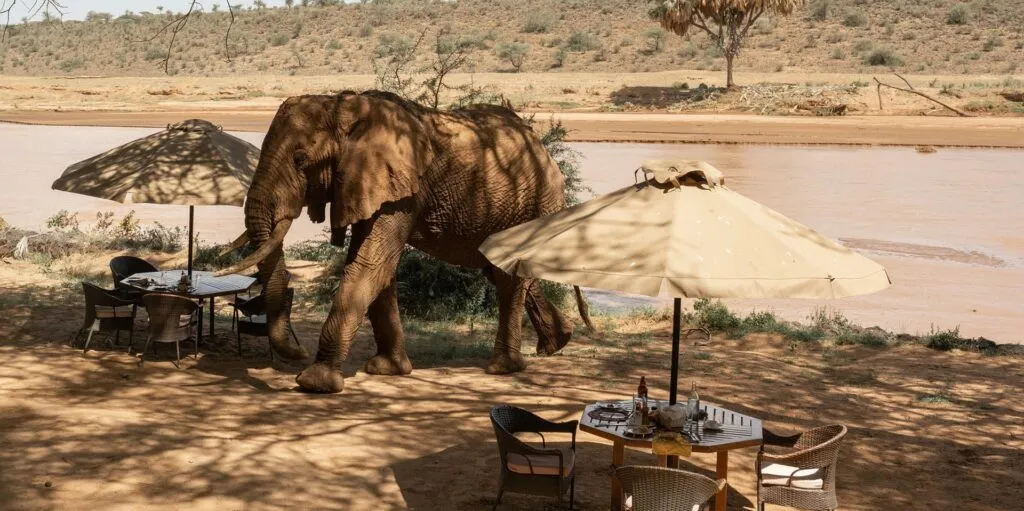
From Ancient Trade Routes to Cultural Crossroads
Long before the term “safari” existed, Kenya was a hub of exploration and trade. The Swahili Coast, dotted with ancient towns like Lamu and Mombasa, connected Africa to Arabia and Asia through bustling maritime trade. Spices, ivory, and textiles flowed across the Indian Ocean, shaping the diverse Swahili culture still celebrated today.
You can still experience this rich heritage in Lamu Old Town, a UNESCO World Heritage Site, where narrow alleys and coral-stone houses whisper tales of centuries past. (Learn more on UNESCO’s official site).
The Birth of the Safari Era
The late 19th and early 20th centuries marked the dawn of the “classic safari.” European explorers, inspired by the promise of uncharted wilderness, journeyed deep into Kenya’s interior. Figures like Theodore Roosevelt and Karen Blixen (author of Out of Africa) helped romanticize the safari lifestyle—luxurious camps, campfire stories, and breathtaking encounters with Africa’s Big Five.
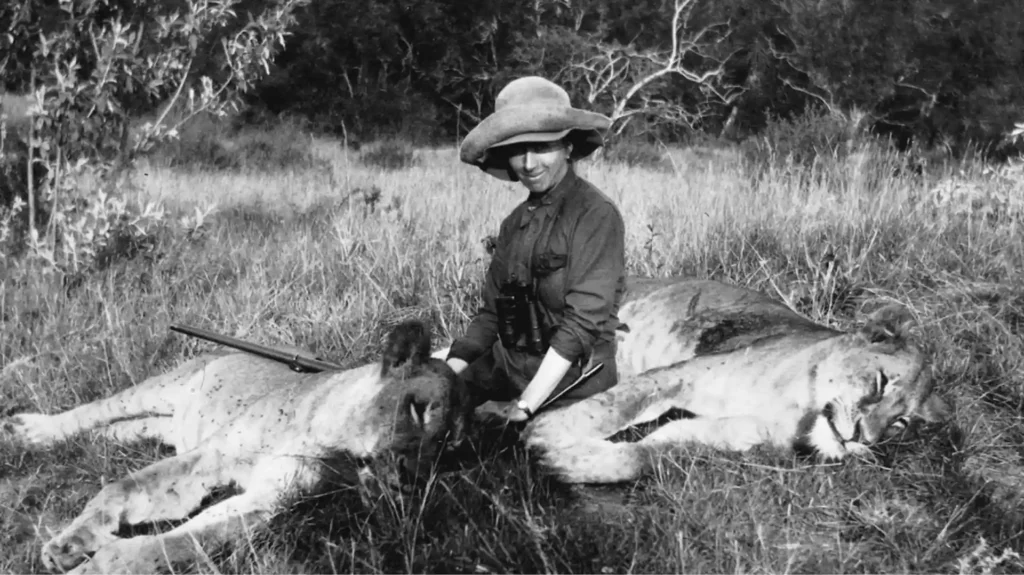
Interestingly, the word “safari” itself comes from the Swahili word for “journey.” What began as expeditions for exploration and hunting evolved into Kenya’s defining tourism experience—wildlife conservation and adventure with purpose.
Kenya’s Independence and the Rise of Conservation Tourism
After gaining independence in 1963, Kenya redefined the meaning of safari. The focus shifted from exploitation to preservation. Visionaries like Wangari Maathai and organizations such as the Kenya Wildlife Service (KWS) championed wildlife conservation and sustainable tourism.
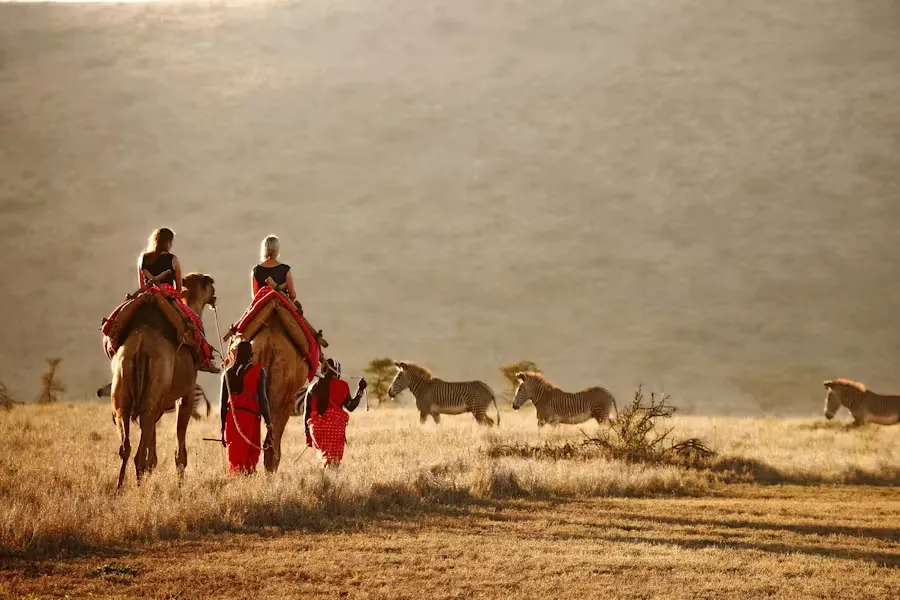
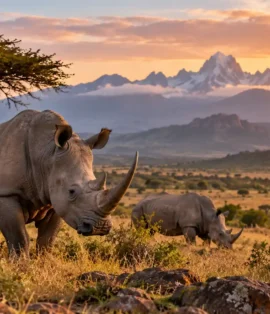
Today, Kenya boasts over 50 national parks and reserves, from the iconic Masai Mara to the serene Amboseli and Tsavo each a living reminder of Kenya’s commitment to protecting its natural legacy.
Modern Travel: Experience History, Nature, and Culture
Modern travelers to Kenya can enjoy a blend of history and adventure unlike anywhere else. You can:
- Walk through history in Nairobi National Museum
- Trace the colonial trails in Karen Blixen Museum
- Embark on wildlife safaris through the same plains early explorers once roamed
- Experience authentic Maasai culture, learning how traditions have adapted in the modern world
Whether you’re seeking the echoes of the past or the thrill of the wild, Hideaway Safaris offers curated experiences that connect you deeply to Kenya’s story—from its ancient roots to its vibrant present.
Why Kenya’s History Makes Every Safari Unique
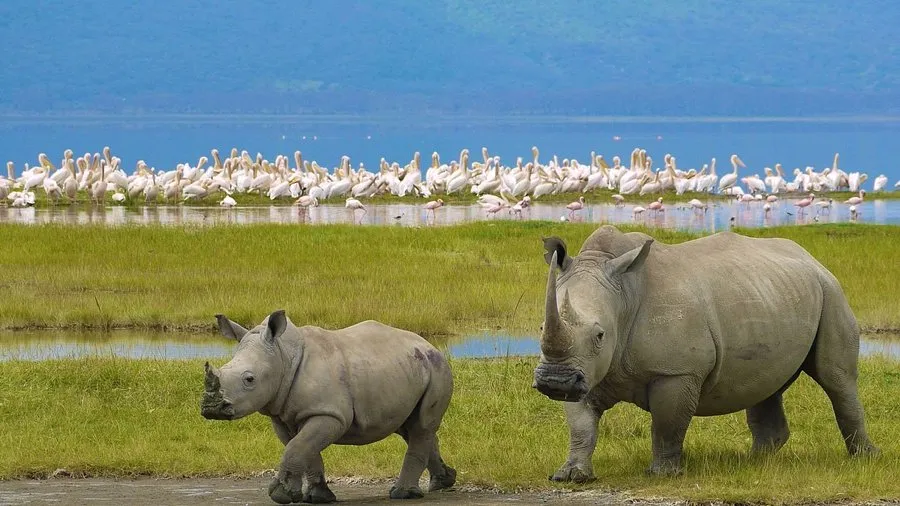
Every journey through Kenya is a chapter of discovery. When you visit Lake Nakuru, you’re standing in a place that once hosted explorers charting the Rift Valley. When you gaze across the Masai Mara, you’re witnessing the same landscapes that inspired conservation movements worldwide.
At Hideaway Safaris, we believe that understanding Kenya’s history makes every trip more meaningful—and every moment more magical.
Ready to Write Your Chapter in Kenya’s Story?
Start your own journey with Hideaway Safaris. From cultural tours along the coast to wildlife adventures across the savannah, we’ll take you on an unforgettable safari through time.